Focused arrival windows
Useful updates and clear arrival timing.
If a patch of your floor feels warm for no reason, you likely have a warm floor slab leak detection Venice FL problem that will not fix itself. We are Venice SlabGuard, and we use thermal imaging and acoustic listening gear to find the exact break in your under-slab line. We serve homeowners across Sarasota County, from the Venice Canals to Venice Gardens. Call (941) 477-1483 and we will tell you what is going on.
Useful updates and clear arrival timing.
Review the approach and price before deciding.
Equipped vehicles and respectful cleanup.
Neighbors serving neighbors with follow-through.
Every detection visit is a complete diagnostic, not a quick look. Here is what you get when you book warm floor slab leak detection in Venice FL with Venice SlabGuard. The repair itself is priced separately once we know what we are dealing with, and we tell you that number before we start.
We walk the entire affected floor with a FLIR infrared camera, not just the warm spot you noticed. That catches secondary leaks and shows us the pipe route. You get the thermal images in your report.
We confirm the thermal finding with an acoustic leak detection microphone and a Sewerin electronic leak detection wand. Two tools agreeing is how we avoid cutting in the wrong spot and wasting your money.
We isolate the hot and cold lines and pressure test them with a gauge. The line that will not hold pressure is the line with the leak. This takes about 20 minutes and removes all guesswork.
A warm floor is not always a wet floor. We take moisture meter readings at the warm zone and around it so you know whether the slab is wet, which tells us if drying or a concrete patch is needed.
We mark the leak location on your floor with tape and paint, and we leave you with the thermal images, pressure test results, and a clear explanation of the repair options and their costs.
Share what is happening and receive a clear next step from the local team.
Warm floor slab leak detection Venice FL is the process of finding a pressurized water line that has failed beneath your concrete slab by tracking the heat it releases into the floor above. When a copper or PEX pipe under the slab develops a pinhole pipe leak, hot water escapes and warms the concrete, which warms your tile or vinyl. We do not guess. We map the temperature difference with a FLIR thermal imaging camera, confirm it with an acoustic leak detection microphone, and mark the floor before anyone cuts.
Venice sits on sandy soil and a high water table, and the older homes near Downtown Venice and Venice Beach were plumbed with copper that is now 40 to 60 years old. That combination drives a lot of under-slab pipe leaks. If you have been searching for warm floor slab leak near me Venice, the smart move is to get it located before the water undermines your foundation or spikes your bill. A warm spot on floor leak Venice Florida is rarely just a fluke.
Call (941) 477-1483 and describe where the floor is warm and how long it has been that way. We ask about your water bill, your water heater, and whether the warm spot moves. That five-minute conversation usually tells us whether you are dealing with a hot water line or a drain issue before we ever load the truck.
On site, we walk the floor with a FLIR infrared camera and look for the temperature signature of a hot water line leaking under the slab. We compare the warm zone against the rest of the floor and against your plumbing layout. This takes 20 to 30 minutes and narrows the search to a few square feet.
We place an acoustic leak detection microphone on the floor and listen for the hiss of pressurized water escaping a pinhole pipe leak. We also use a Sewerin electronic leak detection wand to confirm the signal. Two independent tools agreeing is how we avoid cutting in the wrong place.
We isolate the suspect line and hook up a pressure testing gauge. If the line will not hold pressure, we have our leak. This step takes 15 to 20 minutes and tells us whether the failure is in the hot line, the cold line, or a drain, which changes the repair plan completely.
We mark the floor with tape and a paint line, show you the thermal images, and walk you through the repair options. You get a clear picture of where the leak is, what it will take to fix it, and what it costs before any concrete saw comes out.
Maps the temperature difference between the leaking hot water line and the surrounding slab. This is the first tool on every warm floor call and it narrows the search to a few square feet.
Listens for the high-frequency hiss of pressurized water escaping a pinhole pipe leak. We place it on the floor and move it until the signal peaks over the leak.
Confirms the acoustic signal with a second technology. Two independent tools agreeing is how we mark a leak location with confidence before any concrete is cut.
Isolates the suspect line and pressurizes it to confirm the leak. If the gauge drops, we have our leak. If it holds, we keep looking. No guesswork.
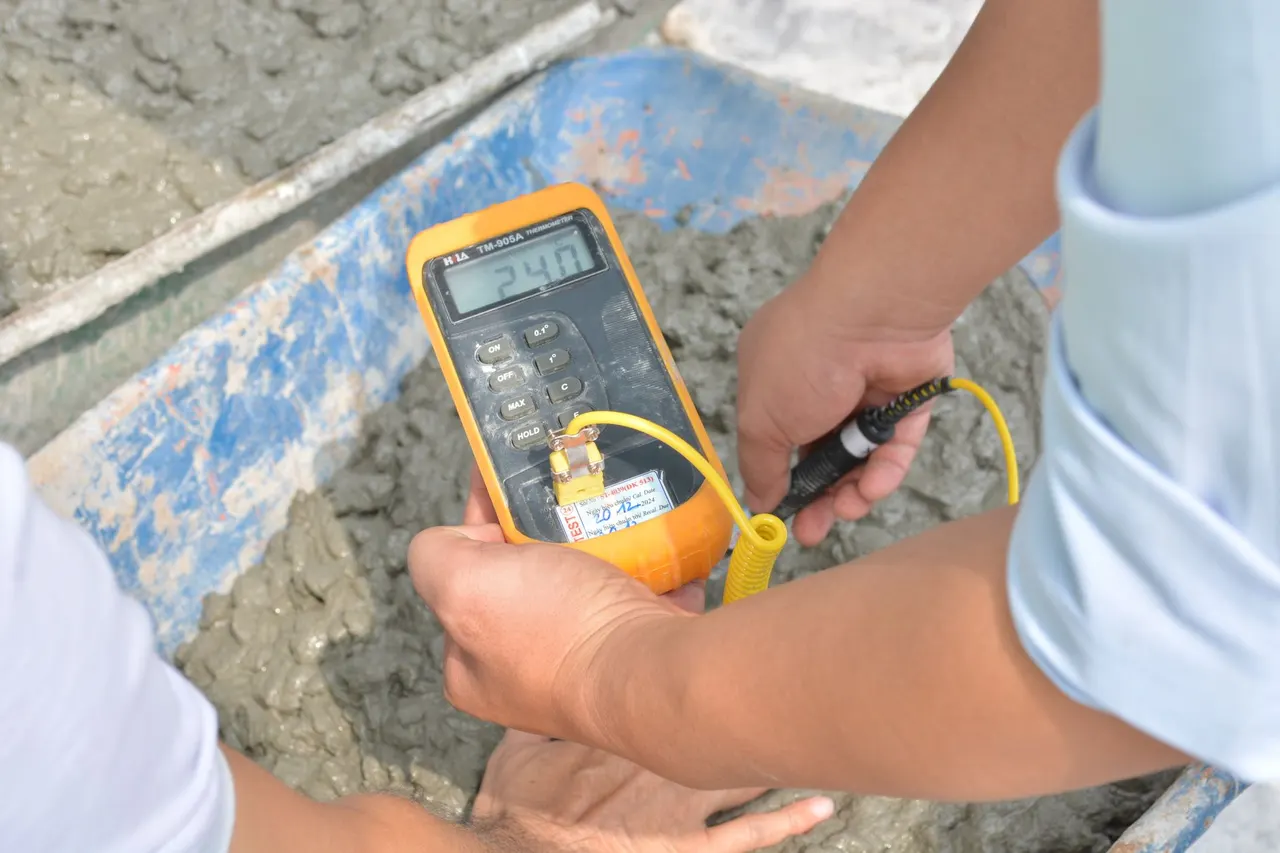
Tells us whether the slab is wet as well as warm. That determines whether you need drying equipment, a concrete patch, or just the pipe repaired.
When we need to look inside a line or a wall cavity, we use a video pipe inspection camera to see the failure directly. This is common on drain-side problems and on lines we have already opened.
We never rely on one tool. The thermal camera finds the warm zone, the acoustic microphone confirms the leak sound, and the pressure gauge proves the line is losing pressure. Three signals agreeing is our standard for marking a floor.
We isolate the hot and cold lines separately and pressure test each one. That tells us which line failed and whether the drain is involved, which changes the repair plan and the cost. This is done to Uniform Plumbing Code standards.
Once the leak is marked, we cut the smallest access point the repair allows using a concrete saw. We keep the opening tight, repair the pipe, and patch with concrete patch matched to the surrounding floor.
When the pipe run allows it, we use trenchless pipe lining equipment and epoxy pipe lining to repair the line with less concrete removal. When the line is too far gone, we reroute it through the attic or walls instead.
We run a thermal scan and acoustic check, confirm a hot water line leak with a pressure test, and mark the floor. We cut one access point, repair the copper with new fittings, and patch the slab. The floor is cool again, the water bill is back to normal, and the repair is warrantied. Most jobs like this are done in a single day.
We locate the slab leak with thermal imaging, take moisture readings, and find the slab is wet as well as warm. We repair the line, dry the area, and treat the affected baseboard area. The leak is fixed, the moisture is gone, and the musty smell clears. The homeowner avoids a mold problem and a much bigger repair bill.
We locate and repair the current leak, then walk the owner through the history and cost of under-slab pipe rerouting versus another spot repair. We price both and explain the lifespan of each option. The owner chooses whole-house repiping and gets the pipe out of the slab for good. No more concrete cuts, no more warm floors, and a 10-year warranty on the new system.
We run warm floor slab leak detection 24/7 Venice FL calls and schedule the work after the tenant closes. We locate the leak, isolate the line, and repair it with minimal disruption. The tenant opens on time the next morning with no warm floor and no water damage. The property manager gets a written report for the owner.
Venice is a coastal city in Sarasota County with a high water table and sandy, slightly acidic soil, and that combination is hard on under-slab plumbing. The older homes in Downtown Venice and Venice Beach were built with copper pipe that is now 40 to 60 years old, and copper corrodes from the inside out until a pinhole pipe leak opens. Newer construction in North Venice and East Venice often uses PEX or CPVC, which fail differently, usually at fittings and crimp rings. We adjust our detection approach to the pipe material and the age of the home. If you are searching for warm floor slab leak detection in Venice FL near me, you want a crew that knows the local building stock, and that is us. We work to the Florida Building Code and the Uniform Plumbing Code on every repair, and we pull permits when the job requires it. Our trucks carry thermal imaging, acoustic, and pressure testing gear so we can locate and often repair in the same visit.
Mostly older homes with original copper under the slab. Warm floor calls here usually trace back to pinhole leaks in hot water lines.
1960s and 1970s ranch homes with slab-on-grade construction. We see a lot of copper failures and occasional CPVC joint cracks.
Newer construction with PEX and CPVC. Leaks here tend to be at fittings and manifolds rather than mid-run pipe failures.
Canal-front homes with a very high water table. Slab leaks here can go undetected longer because the soil is already damp.
Mix of older and renovated homes. We often find leaks where original copper meets newer PEX at a transition fitting.
Water from a slab leak has nowhere to drain, so it saturates the soil under your foundation faster. That speeds up soil softening and foundation movement, which is why locating early matters more here than in inland cities.
Copper pipe corrodes faster in this environment. Homes near the beach tend to see pinhole leaks earlier than inland homes of the same age, and the failures cluster on the hot water side.
Most warm floor calls we run in Downtown Venice and Venice Gardens are on original copper that has reached the end of its service life. We plan for the possibility of a reroute, not just a spot repair.
There is no crawl space to inspect, so detection depends on thermal and acoustic tools. We cannot see the pipe, so we rely on the temperature and sound signature to find it.
A homeowner noticed a warm patch of tile in the hallway that grew over three weeks. The water bill was up $110 and the floor was hot to the touch. Two other plumbers wanted to break up the whole hallway to find it.
We scanned the floor with a FLIR camera, confirmed the leak acoustically, and marked a 12-inch square over the break. We cut one access point, replaced the failed copper section, and pressure tested it at 80 psi. The floor is cool and the bill is back to normal.
Maintenance: Keep an eye on the water bill each month and watch for any new warm spots. If your home has had two or more slab leaks, ask us about whole-house repiping before the next one.
A canal-front home near the Marina Peninsula had a warm spot on the lanai and a musty smell in the bedroom. The owner thought it was humidity. The moisture meter told a different story: the slab was wet, not just warm.
We located the slab leak with thermal imaging, repaired the PEX line, and dried the affected area over two days. The moisture reading dropped from 28 percent to 11 percent. The musty smell cleared and no mold developed.
Maintenance: Run your AC and dehumidifier normally, and check the lanai floor after heavy rain. If the warm spot returns, call us before the moisture spreads into the bedroom again.
A 1970s home in Downtown Venice had its third slab leak in three years. Each repair meant another concrete cut and another patch. The owner was tired of the cycle and wanted a permanent fix.
We repaired the current leak, then rerouted the whole hot water system through the attic with PEX. No more under-slab hot lines. The job took two days, and the new system carries a 10-year warranty. No warm floors since.
Maintenance: Nothing special. PEX in the attic is accessible if it ever needs service, and you can visually check it once a year. That is the whole point of getting the pipe out of the slab.
A warm floor is the symptom. These are the problems underneath it that we find and fix for Venice homeowners before they get worse.
The leak is getting bigger, more hot water is escaping, and the soil under your slab is getting softer by the day. Left alone, this can crack tile and drywall. We scan the floor, confirm the leak with acoustic and pressure testing, and mark the exact spot. Most repairs are a single small access point, and we pressure test the new line before we close the floor.
An underground water leak can push 50 to 200 gallons a day into the soil. You pay for every gallon, and your water heater works overtime heating it. We locate the leak with thermal imaging and acoustic gear, then repair or reroute the line. Once the leak stops, your bill drops back to normal on the next billing cycle. We show you the before and after.
That hiss is pressurized water escaping a pinhole pipe leak under your slab. It will not stop on its own, and it is eroding the soil under your foundation. We use an acoustic leak detection microphone to hear exactly where the water is escaping. Then we confirm with a pressure test and repair the line. Most Venice calls like this are resolved in a single visit.
Warmth plus moisture equals mold. If the slab is wet, you can grow mold under carpet or behind baseboards within days, and that becomes a health issue, not just a plumbing one. We take moisture meter readings alongside the thermal scan to confirm whether the slab is wet. If it is, we repair the leak and tell you exactly what drying is needed so the mold does not come back.
$250 - $4,500 depending on scope
We price detection and repair separately so you know what you are paying for. Typical 2026 pricing for warm floor slab leak detection in Venice runs $250 to $550 for the location visit, and the repair ranges from $800 for a simple spot fix to $4,500 or more for under-slab pipe rerouting or whole-house repiping. We give you the detection price on the phone and the repair price before we cut. No surprises, no change orders halfway through the job.
You are paying for a located leak, not a guess. We find it with thermal and acoustic tools, confirm it with a pressure test, and repair it with a written warranty. That is cheaper than tearing up a floor hoping to get lucky.
Copper from the 1970s is brittle and often needs a section replacement, not just a clamp. PEX and CPVC repairs are usually faster and cheaper because the material is easier to work with. We price the repair based on what we find.
Tile is the easiest to cut and patch. Travertine, hardwood, and laminate take more care and sometimes a flooring specialist. We keep the access point as small as the repair allows to limit the patch cost.
Most lines sit 4 to 6 inches below the surface, but some are deeper. Deeper lines mean more concrete removal and a longer repair. We measure before we quote the repair so the number is real.
A spot repair fixes the current leak. A reroute takes the pipe out of the slab entirely. If your home has had multiple leaks, the reroute often costs less over five years than repeated cuts and patches.
After-hours and weekend calls carry a higher rate because we are pulling a tech off standby. If the leak is not actively flooding your floor, a scheduled visit during the week is the cheaper call.
Venice SlabGuard is a state-licensed plumbing contractor working Sarasota County slabs every week. Our technicians are trained on thermal imaging and acoustic leak location, and we hold IAPMO certification and Backflow prevention certification. We work to the Uniform Plumbing Code and Florida Building Code on every job, and we carry OSHA safety certification for the confined and trench work that slab repairs sometimes require. We have located and repaired under-slab leaks in copper, PEX, CPVC, and PVC lines across Venice, and we know how the local sandy soil and high water table change the way a leak behaves.
The tile in my hallway was warm for about three weeks and I kept telling myself it was the sun. My water bill jumped $110 and I finally called. Venice SlabGuard came out, scanned the floor, and had the leak marked in about an hour. It was a pinhole in the hot copper line. They cut one small square, fixed it, and patched it. No mess, no drama.
I had two other plumbers tell me they would have to break up half the kitchen to find it. Venice SlabGuard used a thermal camera and an acoustic microphone and found it in 40 minutes. It was under the cabinet, not the middle of the room. They repaired the PEX line and pressure tested it before they left. Saved me thousands in tile work.
We had a warm spot near the lanai and a musty smell in the bedroom. They found a slab leak and also showed me the moisture reading, which the other guys never did. Turned out the slab was wet, not just warm. They repaired the line, dried the area, and gave me a written warranty. Straight shooters.
A warm spot on your floor in Venice FL is almost always a hot water line leaking under the slab. The escaping hot water heats the concrete, and the concrete heats your tile or vinyl. It is most common in homes built before 1990 with copper pipe, where pinhole leaks form after decades of contact with sandy, slightly acidic soil. If the spot is warm and growing, call (941) 477-1483.
Not always, but it is the first thing we check. A warm floor can also come from a heating duct running under the slab or from sun loading on a west-facing room. The way to tell is a thermal scan and a pressure test. If the hot water line will not hold pressure and the warm zone lines up with the pipe route, you have a slab leak. We confirm both before recommending repair.
We use a FLIR thermal imaging camera to map the warm zone, then an acoustic leak detection microphone and a Sewerin electronic leak detection wand to listen for the escaping water. Finally we isolate the line and pressure test it with a gauge. Three independent signals agreeing is how we mark the floor with confidence. The whole detection visit runs 60 to 90 minutes.
Typical 2026 pricing for warm floor slab leak detection in Venice runs $250 to $550 for the location visit, and the repair itself ranges from $800 for a simple spot fix to $4,500 or more for under-slab pipe rerouting or whole-house repiping. Access, pipe material, and how deep the line sits under the slab all move the number. We give you the detection price up front before we start.
Not seeing your question? Our local team can help you understand urgency, scheduling and what to expect.
Ask the local team
Our core service and the first step for any warm floor. We use thermal imaging, acoustic listening, and pressure testing to find the exact break in your under-slab line before any concrete comes up. Most Venice homes get an answer in under two hours.
View service
When a warm floor turns into water pooling on the floor or a spike in your bill, you need us now. We run 24/7 emergency slab leak repair across Venice and Sarasota County, and we can isolate the line to stop the water while we plan the permanent fix.
View service
Once we locate the leak, we repair it. That may mean a spot repair with pipe clamps and new fittings, a section replacement, or a reroute. We work in copper, PEX, and CPVC and we pressure test the line before we close the floor.
View service
Sometimes you just need to know where it is. If you are working with another contractor or an insurance adjuster, we will locate and mark the leak, document it with thermal images, and hand you a report. No repair required.
View service
Reach us at (941) 477-1483 or [email protected] and we will get a tech on your leak. We answer 24/7 for active water loss and schedule standard inspections Monday through Friday, 8:00 a.m. to 6:00 p.m. Same-day appointments are common across Venice and Sarasota County.