Focused arrival windows
Useful updates and clear arrival timing.
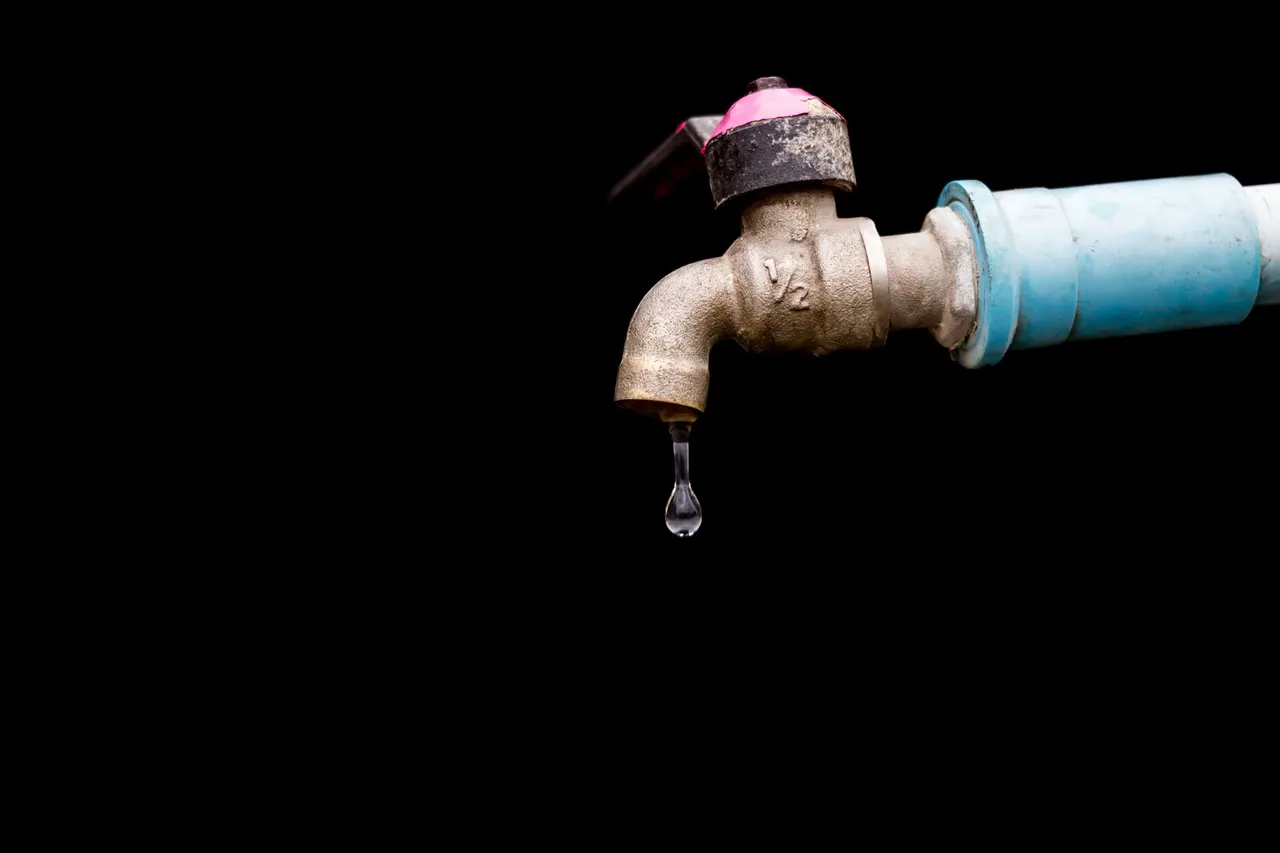
Under-Slab Water Leak Repair Venice FL starts with finding the leak without tearing up your whole floor. We use acoustic listening gear and thermal imaging to pinpoint the break, then fix it with the least concrete removal possible. If you have a warm spot on the floor, a water bill that jumped, or a sub slab leak repair in Venice that keeps getting put off, call (941) 477-1483. We serve Sarasota County and the 34285, 34292, and 34275 ZIPs.
Useful updates and clear arrival timing.
Review the approach and price before deciding.
Equipped vehicles and respectful cleanup.
Neighbors serving neighbors with follow-through.
Every slab leak job we run includes detection, repair, pressure testing, and concrete patching. You do not need to hire a separate leak locator or a concrete contractor. Here is what is covered on a standard repair, and what we quote separately if your job needs it.
We pressurize the hot and cold lines, listen with an acoustic microphone, and scan with a FLIR thermal camera to pinpoint the leak. You get a marked location on the floor before we cut anything.
We cut a small access point with a concrete saw, usually under two square feet, directly over the confirmed leak. This keeps dust down and makes the patch blend into your existing slab.
We repair the failed section with matched materials: soldered copper couplings, Uponor PEX, or SharkBite fittings rated for the application. If the run is too corroded, we quote a reroute or replacement.
After the repair, we pressure test the line at 80 psi for 30 minutes and re-check the slab with a moisture meter. You get the readings in writing so you know the leak is actually fixed.
We backfill, pour a concrete patch matched to your slab, and leave the area broom-clean. You can walk on the patch within 24 hours, and most floors can be re-covered after a few days of drying.
Share what is happening and receive a clear next step from the local team.
Under-Slab Water Leak Repair Venice FL is the process of locating and fixing a pressurized water line that has failed beneath your concrete foundation. Your supply lines run through or under the slab, and when copper corrodes or a fitting lets go, water escapes into the soil and eventually finds its way up through the concrete. We start with acoustic leak detection and thermal imaging to hear and see where the water is moving, then confirm with pressure testing before we cut anything. Most jobs are diagnosed in under two hours and repaired the same day.
Venice homes deal with a specific set of problems. The sandy soil and high water table around Downtown Venice and Venice Gardens let small leaks travel far from the source, which is why a water leak under foundation Venice Florida often shows up as a warm patch in the hallway rather than a puddle. Older neighborhoods with original copper pipe see pinhole leaks from decades of mineral buildup, while newer builds with PEX can suffer from bad crimp rings. If you have been searching for under slab water leak repair in Venice FL near me and want a straight answer, we can pressure test your system and tell you exactly what is happening.
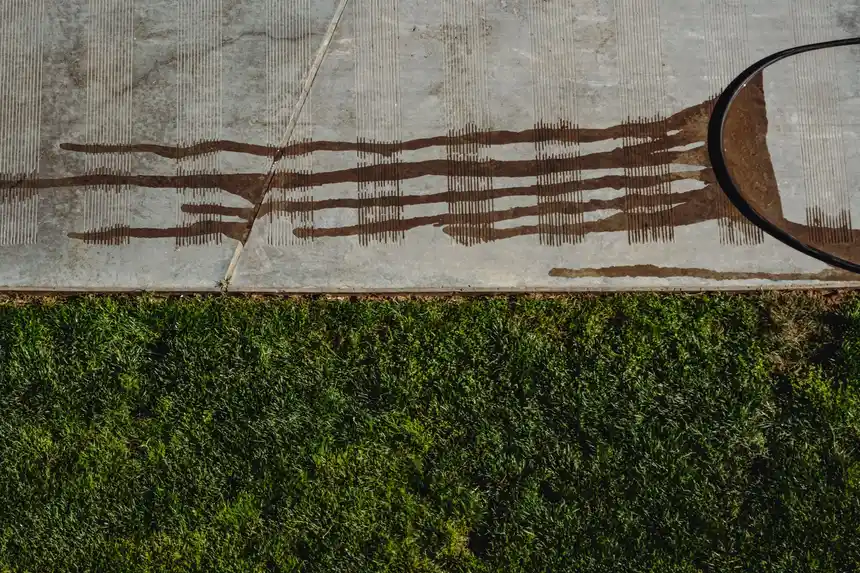
Call (941) 477-1483 and tell us what you are seeing: a warm floor spot, a high water bill, the sound of running water when nothing is on. We ask a few questions, give you a ballpark range, and schedule a same-day or next-day visit. Emergency calls get priority, including nights and weekends.
Our technician arrives with an acoustic leak detection microphone, a FLIR thermal imaging camera, and a pressure testing gauge. We isolate the hot and cold sides, pressurize each, and listen for the telltale hiss. Most leaks are pinpointed within 60 to 90 minutes, and you get a marked location on the floor.
We walk you through the options: direct access through a small concrete cut, trenchless pipe lining, or rerouting the line overhead through the attic. You get a written price for each before we start. For most Venice homes, a localized cut and copper or PEX splice is the fastest and most affordable route.
We cut a minimal access point with a concrete saw, expose the failed section, and repair it using SharkBite or Uponor fittings matched to your pipe type. After the splice, we pressure test the line at 80 psi for 30 minutes and re-scan with the moisture meter to confirm the slab is drying.
We backfill, pour a concrete patch matched to your existing slab, and leave the area broom-clean. You get a written summary of what failed, photos of the repair, and a warranty on the work. Most jobs are finished in one day, and you can walk on the patch within 24 hours.
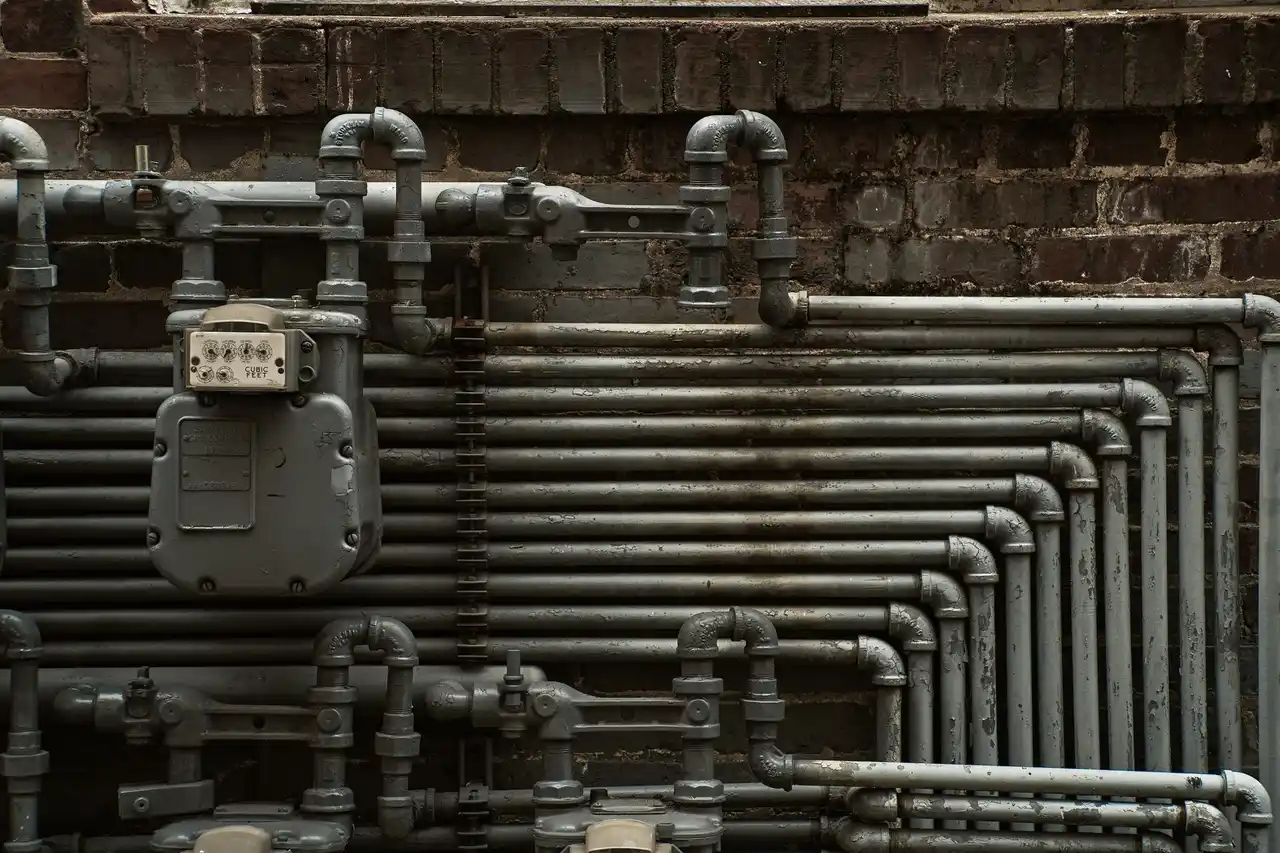
Listens for the sound of pressurized water escaping a pipe under concrete. It narrows the leak to a small zone so we cut less floor.
Shows the warm path of a hot-water leak across the slab. It confirms which side of the system is failing before we open anything.
Pressurizes the line to 80 psi and watches for a drop. It confirms the leak exists and tells us how severe it is.
Lets us look inside the failed line to see corrosion, scale, or a broken fitting before we choose a repair method.
Cuts a clean, minimal access point in the slab directly over the leak. Smaller cuts mean faster patching and less dust.
Measures how wet the slab and flooring are before and after the repair. It confirms the slab is drying and no secondary leak remains.
We never trust a single tool. A leak is only confirmed when the acoustic microphone and the thermal camera agree on the same location. That cross-check is what keeps our concrete cuts small and our repairs accurate.
We isolate the hot side, cold side, irrigation, and pool lines, then pressurize each one separately. The line that loses pressure is the one with the leak. This is the same method used in Uniform Plumbing Code leak testing.
For qualifying straight runs, we pull an epoxy pipe lining through the failed pipe from two small access points. It seals the leak without a long concrete trench and works well under tile or hardwood floors.
When the failed line is too corroded to repair reliably, we abandon it and run a new PEX line overhead through the attic. This avoids future leaks on the same run and often costs less than repeated repairs.
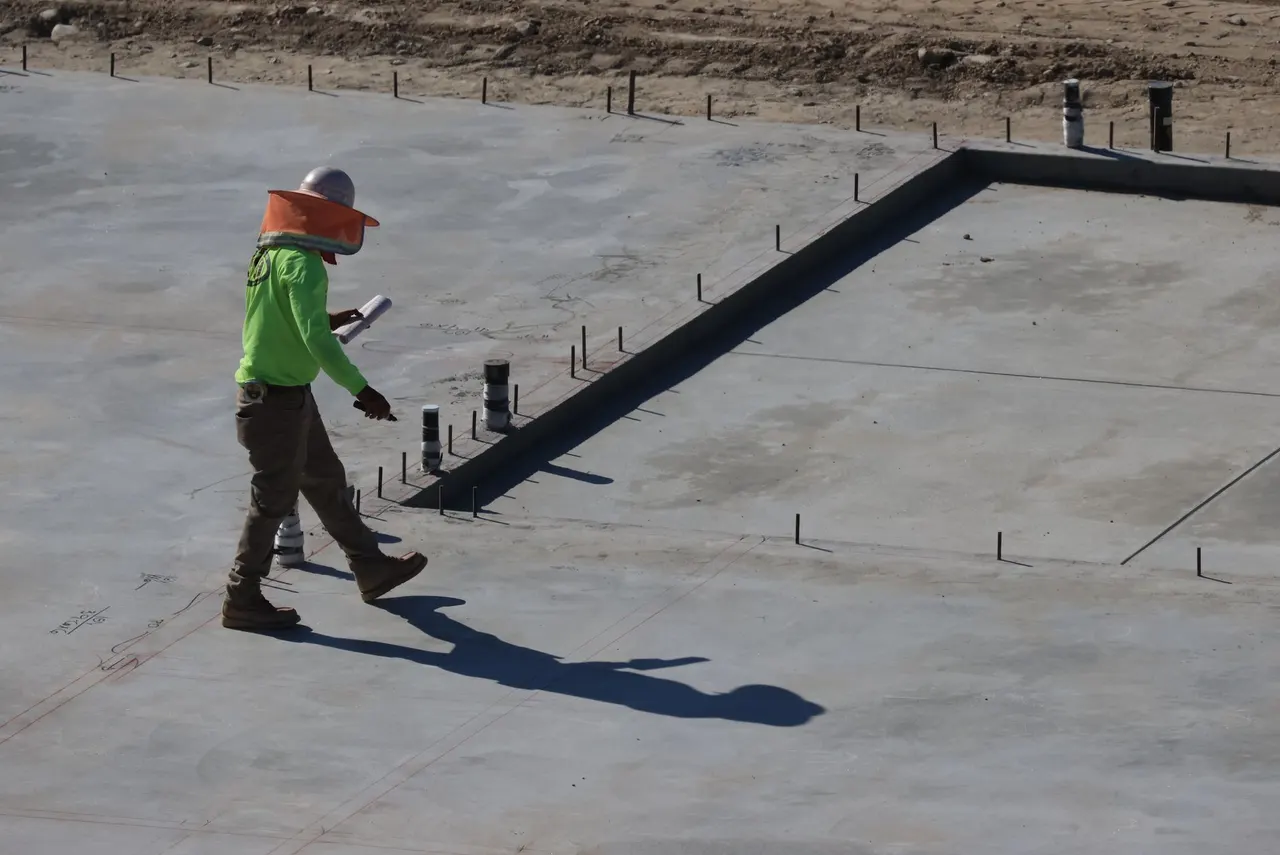
We detect and repair the current leak, then evaluate the rest of the copper run with pressure testing. If the pipe shows widespread corrosion, we quote a whole-house repipe with PEX through the attic instead of chasing leaks one at a time. The homeowner stops the cycle of emergency repairs and gets a 25-year pipe warranty on the new PEX run.
We isolate the domestic line, pressure test at 80 psi, and use acoustic detection to pinpoint a pinhole leak under the kitchen tile. The repair is a small cut and a copper splice, done in one afternoon. The next water bill drops back to the normal $70 range, and the slab is dry within a week.
Thermal imaging confirms a hot-water slab leak. We repair the line, then run a moisture meter across the bathroom and adjacent closet to confirm the slab is drying and no secondary moisture remains. The tenant stays in place, the musty smell clears as the slab dries, and the owner avoids a costly vacancy.
We schedule the detection and repair after closing. Trenchless pipe lining is used to avoid a long concrete trench in the sales floor, with two small access points at the ends of the run. The store opens on time the next morning with no visible floor damage and the leak permanently sealed.
Venice sits on sandy soil with a high water table, and that combination changes how slab leaks behave. Water from a failed line does not always pool at the source. It follows the path of least resistance through the sand and can surface ten feet away, which is why a water leak under foundation Venice Florida often shows up as a warm spot in a hallway rather than a wet patch in the kitchen. Homes on the island, especially around Venice Canals and Marina Peninsula, tend to be older builds with original copper pipe that has been through decades of mineral buildup. Out near Venice Gardens and East Venice, we see more PEX and CPVC systems where failures happen at fittings and crimp rings. We follow the Florida Building Code for concrete patching and the Uniform Plumbing Code for pressure testing, and we pull permits when the scope requires it. If you need sub slab leak repair Venice Florida cost numbers before you commit, we give you a written range after detection, not before. Most jobs in Venice are completed in a single day.
Older housing stock with original copper pipe. Pinhole leaks from corrosion are the most common call we get here.
Mix of 1980s and 1990s builds with copper and early PEX. Fitting failures and crimp ring leaks show up frequently.
High water table and proximity to the Gulf mean leaks travel fast. Detection needs to be precise to avoid over-cutting.
Newer construction with PEX systems. When leaks happen, they are usually at manifolds or behind walls, not mid-run.
Water travels far from the source before surfacing, so acoustic detection is essential to avoid cutting in the wrong place. It also means leaks can go unnoticed longer.
Copper in 1970s and 1980s Venice homes is prone to pinhole leaks. We often recommend a repipe when we find the third leak on the same run.
Patches must match slab thickness and cure properly. We follow the code so your repair passes inspection and the floor covering can be reinstalled without issues.
Heavy rain and soil saturation can shift lines where they enter the slab. We see a spike in slab leak calls after a wet summer, especially on the island.
A homeowner's water bill jumped from $72 to $215 in one month. They heard water running at night but could not find a puddle. The kitchen tile was slightly warm near the sink.
We pressure tested the hot side, found a 12 psi drop, and used acoustic detection to pinpoint a pinhole leak under the kitchen tile. A two-square-foot cut, a copper splice, and a concrete patch later, the bill returned to $70 the next cycle.
Maintenance: We recommended a whole-house pressure test every 18 months to catch the next pinhole early. Copper in this age of home tends to fail in clusters.
A rental property had a warm bathroom floor and a tenant complaining of a musty smell. The water heater was running constantly to keep up with demand.
Thermal imaging mapped the warm path in under 20 minutes. We cut a small access point, repaired the hot-water line with Uponor PEX, and pressure tested at 80 psi. The floor cooled within hours and the musty smell cleared in a week.
Maintenance: We set the water heater to 120 degrees to reduce stress on the line and scheduled a moisture check 30 days later to confirm the slab was dry.
A newer home had a sudden spike in water usage with no visible leak. The homeowner suspected the irrigation system, but the meter kept spinning with the irrigation off.
We isolated the domestic line and found a failed crimp ring on a PEX fitting under the hallway slab. The repair took under three hours, including the concrete patch. Water usage returned to normal the same day.
Maintenance: We inspected the other accessible PEX fittings in the home and re-crimped two that showed early signs of loosening, heading off a second leak.
Most slab leaks announce themselves in ways homeowners misread. Here are the problems we get called about most often in Venice, what happens if you leave them alone, and how we fix them.
A pinhole leak can waste 10,000 gallons a month and quietly run your bill from $70 to $200 or more. Left alone, it also erodes the soil under your slab and can cause settling. We isolate the irrigation, pool, and domestic lines, then pressure test each one. The gauge tells us which line is losing pressure, and acoustic detection narrows it to a two-foot zone. Most high-bill leaks are repaired the same day.
A warm patch means hot water is escaping under the slab. Your water heater runs longer to keep up, and the constant moisture can warp hardwood and crack tile from below. A FLIR thermal imaging camera maps the warm path in minutes. We confirm with a pressure test on the hot side, cut a small access point, and repair the failed section. The floor returns to normal temperature the same day.
That hiss is pressurized water escaping a pipe. It will not stop on its own, and every day it runs, more soil washes out from under the slab and the repair gets more expensive. We use an acoustic leak detection microphone to listen at the slab and narrow the source. Once located, we pressure test to confirm and repair with a localized cut. This is one of the clearest signs you have a slab leak.
When water washes fines out of sandy Sarasota County soil, voids form under the slab and the floor above starts to move. Small cracks become trip hazards and eventually structural concerns. We find and fix the source leak first, then verify the slab is drying with a moisture meter. Once the water is stopped, the soil stabilizes and further movement usually halts. We can refer a foundation specialist if the movement is already significant.
$800 - $2,500 depending on access, pipe material, and repair method
Slab leak pricing depends on how hard the leak is to reach and what kind of repair the pipe needs. In 2026, most under slab water leak repair Venice jobs run between $800 and $2,500, with detection alone at $250 to $450. Direct-access repairs through a small concrete cut sit at the low end. Trenchless pipe lining and under-slab pipe rerouting cost more because they involve more material and labor. We give you a written price after detection, before we cut, so there are no surprises.
Fixing a slab leak early protects your foundation, stops the water bill bleed, and prevents mold. The repair costs a fraction of what foundation underpinning or a full repipe runs when a small leak is ignored.
A leak under an open hallway is easier to reach than one under a tiled bathroom or a built-in cabinet. Access difficulty drives how much concrete we remove and how long the patch takes to cure.
Copper repairs need soldering and often a transition fitting. PEX and CPVC repairs use different tooling and materials. The pipe type also affects whether a localized repair is reliable or a reroute makes more sense.
A direct cut-and-splice is the least expensive. Trenchless pipe lining costs more but avoids a long concrete trench. Rerouting the line through the attic is a third option, often priced between the two.
After-hours and weekend calls carry a dispatch premium. If the leak is not actively flooding, scheduling for a weekday morning usually saves you the emergency fee.
A two-square-foot patch is quick and cheap. A larger cut, or one that requires matching decorative tile or hardwood, adds labor and material to the final bill.
Our technicians are state-licensed plumbing contractors who work on slab leaks every week in Sarasota County. We carry IAPMO certification and follow the Uniform Plumbing Code and Florida Building Code on every repair. We have worked in the older copper-pipe neighborhoods around Downtown Venice and the newer PEX builds out near Venice Gardens, so we know what fails and why. Our trucks carry RIDGID inspection cameras, Sewerin acoustic gear, and Milwaukee concrete saws, so we are not waiting on a rental when your leak needs to be fixed today.
Our water bill jumped from $70 to $210 in one month and we could not figure out why. Venice SlabGuard came out the next morning, used a listening device on the floor, and found a pinhole leak under the hallway tile in about an hour. They cut a small square, fixed the copper, and patched it the same day. Bill is back to normal.
The floor in our kitchen was warm for weeks and we kept ignoring it. Turned out to be a hot-water slab leak. They used a thermal camera to show us exactly where it was, gave us a flat price, and finished the repair in one afternoon. No mess, no drama, and the warm spot is gone.
We manage several rentals near the beach and slab leaks are a recurring headache. Venice SlabGuard is the only crew we call now. They show up when they say, they pressure test before and after, and they send photos of the repair. Last job was a PEX fitting failure and they had it fixed and patched in under four hours.
Most under slab water leak repair in Venice FL runs $800 to $2,500 in 2026, with the average around $1,400. Detection alone is $250 to $450. Direct-access repairs through a small concrete cut sit at the low end, while trenchless pipe lining or rerouting a line through the attic pushes toward the top. Emergency after-hours calls add a dispatch fee. You get a written price before we cut.
Yes, in many cases. Trenchless pipe lining lets us rehabilitate a failed copper or PEX line by pulling an epoxy liner through it from two small access points, often at the water heater and a hose bib. Under-slab pipe rerouting is another option: we abandon the failed line and run a new one overhead through the attic. Both avoid a long concrete trench, though not every leak qualifies.
You need a state-licensed plumbing contractor with slab leak detection equipment, not a general handyman. We carry acoustic leak detection microphones, FLIR thermal imaging cameras, and pressure testing gauges on every truck, and we work in Sarasota County daily. We handle everything from detection through concrete patching, so you are not coordinating three different trades.
The three most common causes we see are copper pipe corrosion and pinhole leaks in older homes, failed crimp rings or fittings on PEX pipe, and ground movement that stresses the line where it enters the slab. Venice's sandy soil and high water table accelerate corrosion. A pressure testing gauge and acoustic scan tell us which one you have within about 90 minutes.
Not seeing your question? Our local team can help you understand urgency, scheduling and what to expect.
Ask the local teamDetection comes before any repair. We use acoustic microphones and thermal imaging to pinpoint the leak and mark the floor, so your under-slab water leak repair Venice FL job starts with a confirmed target instead of a guess.
View service
Water running under your floor at 2 a.m. cannot wait until Monday. Our emergency crew handles after-hours calls across Venice, isolates the line, and stops the water loss the same night, then schedules the permanent repair.
View service
If you need a precise location before committing to a repair, our location service maps the leak with acoustic and electronic gear and gives you a marked spot on the slab. It pairs directly with any sub slab leak repair in Venice we perform.
View service
We can often confirm a leak without cutting concrete at all. Pressure testing and infrared scanning give us the answer first, and only then do we decide whether a small access cut is needed for the repair.
View service
Reach us at (941) 477-1483 or [email protected] and we will get a tech on your leak. We answer 24/7 for active water loss and schedule standard inspections Monday through Friday, 8:00 a.m. to 6:00 p.m. Same-day appointments are common across Venice and Sarasota County.