Focused arrival windows
Useful updates and clear arrival timing.
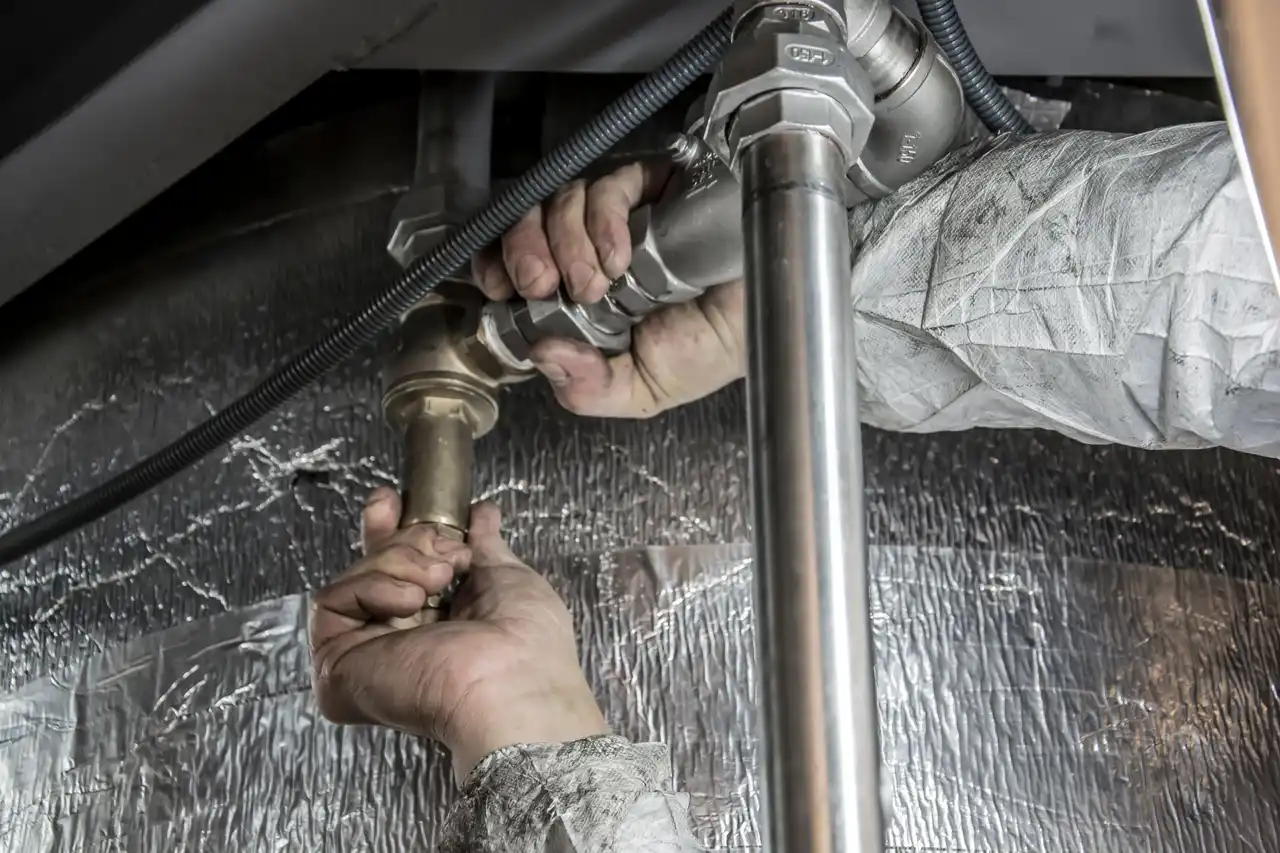
If your water bill jumped and a warm spot is spreading across the floor, acoustic slab leak detection Venice FL is how we find the break without demolishing your home. We pressurize the line, listen through the slab with a microphone, and mark the exact spot before anyone touches a concrete saw. Serving Venice, Sarasota County, and the 34285, 34292, and 34275 ZIP codes, we handle copper, PEX, and CPVC under-slab lines every week.
Useful updates and clear arrival timing.
Review the approach and price before deciding.
Equipped vehicles and respectful cleanup.
Neighbors serving neighbors with follow-through.
Every acoustic slab leak detection Venice FL appointment includes pressure testing, the acoustic sweep, thermal and moisture cross-checks, and a marked location with written findings. If the leak turns out to be something else, like a drain clog or an irrigation break, we tell you that too. Repair pricing is separate and always given before we open the slab.
We isolate the domestic water loop from irrigation and fixtures, then pressurize it with a pressure testing gauge. A dropping gauge confirms an under-slab pipe leak. This step takes 20 to 30 minutes and rules out other causes of a high water bill.
We walk a grid over the slab with an acoustic leak detection microphone, listening for the hiss of escaping water. We mark the loudest point and repeat from a second angle to confirm. This is the core of the service and takes 45 to 90 minutes.
A FLIR thermal imaging camera and moisture meter confirm the acoustic hit. Warm floor spots and elevated moisture readings within a few feet of the sound give us three independent confirmations before we cut.
We chalk the leak location on your floor, photograph the readings, and give you a written summary with repair options and pricing. You can hand the findings to an insurance adjuster or a second plumber if you want a comparison quote.
If you hire us for the repair, we credit the diagnostic fee toward the job. That means the acoustic detection effectively costs you nothing when we do the fix. Ask about it when you call (941) 477-1483.
Share what is happening and receive a clear next step from the local team.
Acoustic slab leak detection Venice FL is a non-invasive diagnostic method that uses a high-sensitivity microphone, a pressure testing gauge, and a pipe locator to hear the hiss of water escaping an under-slab line. We isolate the fixture loop, pressurize it to a known PSI, then walk the slab in a grid pattern listening for the loudest point. That point is the leak. No exploratory jackhammering, no tearing up tile to find a pinhole pipe leak that could be twenty feet from where you guessed.
Venice sits on a limestone and sand base with a high water table, and the older copper lines under homes near the Venice Canals and Downtown Venice have been sitting in that soil for decades. Chlorides in the groundwater eat copper from the outside in. When a homeowner calls us after a high water bill or a warm floor spot, sound slab leak detection in Venice FL is the fastest way to confirm whether it is a slab leak or a drain clog. We also use a moisture meter and thermal imaging camera to cross-check the acoustic hit before we quote any repair.
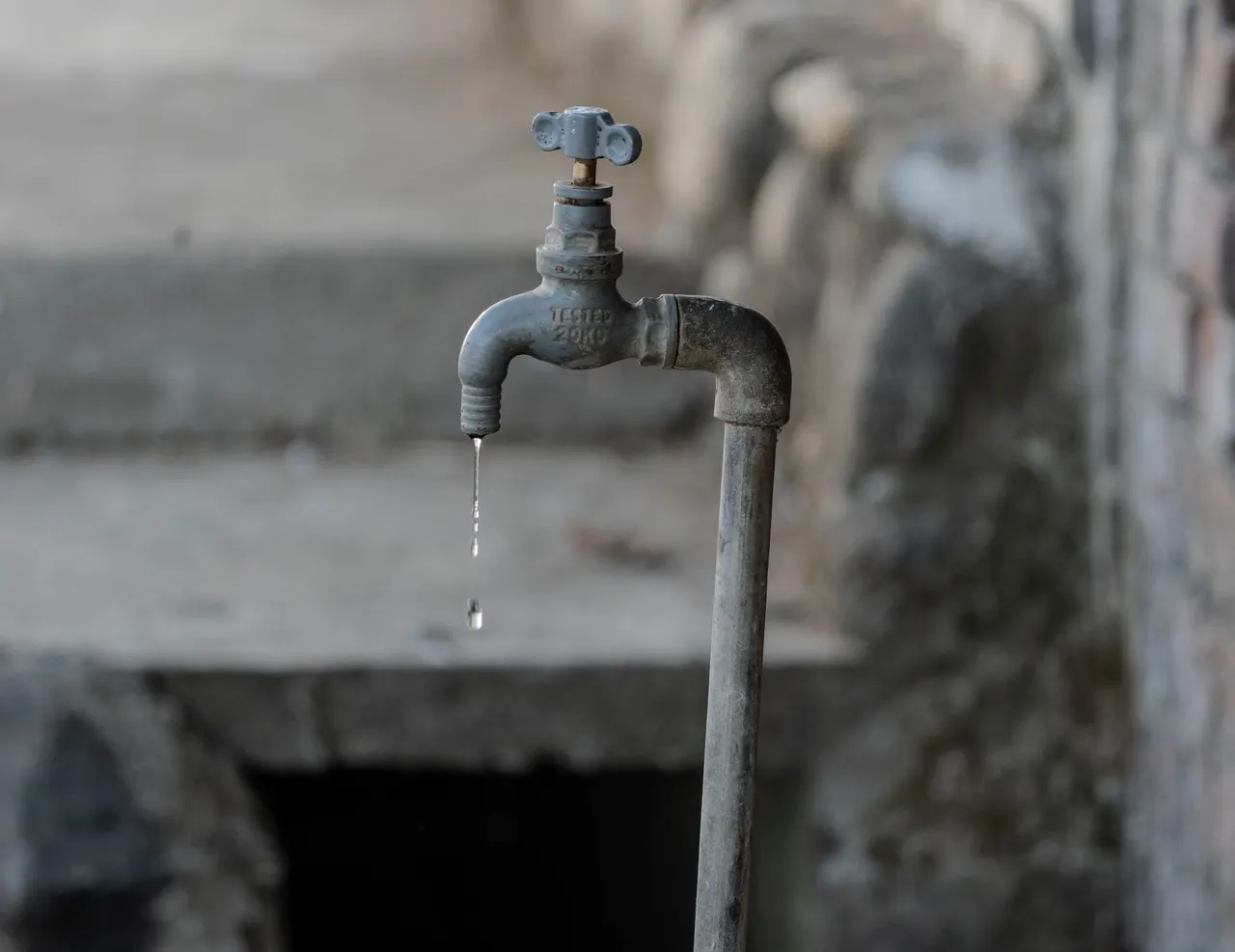
We shut off the main, isolate the domestic water loop from irrigation and fixtures, and pressurize the line with a pressure testing gauge. If the gauge drops, you have a confirmed under-slab pipe leak. This step takes 20 to 30 minutes and tells us whether we are even chasing a slab leak or a drain clog.
Before we listen, we map the line. An electronic leak detection wand and pipe locator trace the copper, PEX, or CPVC run under the slab so we know the path. On older Venice homes with rerouted lines, this keeps us from listening over a dead pipe that has not carried water in years.
We place the acoustic leak detection microphone on the slab and walk a grid, listening through headphones for the broadband hiss of escaping water. We mark the loudest point with chalk, then repeat the sweep from a second angle to confirm. This is the core of listening for slab leaks Venice Florida, and it takes 45 to 90 minutes.
A thermal imaging camera and moisture meter verify the acoustic hit. A real slab leak usually shows a warm floor spot or elevated moisture reading within a few feet of the sound. When all three tools agree, we are confident enough to cut. When they disagree, we keep listening.
We mark the leak location on the floor, photograph the readings, and walk you through the repair options, from spot repair to under-slab pipe rerouting. You get the findings in writing and a clear price before any concrete is opened. Call (941) 477-1483 to schedule.

A high-sensitivity ground microphone that amplifies the sound of water escaping a pressurized pipe through concrete. We sweep in a grid and mark the loudest point. This is the primary tool for locating slab leaks without demolition.
Reads temperature differences across the slab to reveal warm floor spots from hot-water leaks. We use it to cross-check the acoustic hit and confirm the leak location before we cut.
Isolates and pressurizes the domestic water loop to confirm a loss. A dropping gauge proves an under-slab pipe leak. This is the first step in every diagnosis.
Traces the pipe path under the slab and helps isolate the leak segment. We use it alongside a pipe locator to map copper, PEX, and CPVC runs before listening.
Maps elevated moisture readings across the floor to show how far water has spread. It confirms the acoustic hit and helps us size the drying and repair scope.
A video pipe inspection camera lets us look inside drain lines and confirm whether a problem is a slab leak or a drain clog. We carry RIDGID and Milwaukee gear on every truck.
Used only after the leak is located. A concrete saw makes a clean, controlled cut, and a jackhammer breaks out the patch area. Because we cut once, the dust and disruption stay minimal.
We shut off the main and isolate the domestic water loop from irrigation, pool, and fixtures. Then we pressurize the line and watch the gauge. This method confirms whether the loss is under the slab or somewhere else, and it is the foundation of an accurate diagnosis.
We walk the slab in a measured grid, listening through the microphone at each point and logging the signal strength. The leak shows up as a consistent peak. We repeat the sweep from a second angle to confirm before marking.
A leak is only marked when the acoustic peak, thermal image, and moisture reading all agree within a few feet. Three tools agreeing is how we keep our hit rate high and avoid unnecessary concrete cuts.
Every repair follows the Uniform Plumbing Code (UPC) and Florida Building Code, including proper fittings, pipe insulation where required, and pressure testing before the slab is closed. We pull permits when the scope requires it.

We pressure-test the domestic water loop and run an acoustic sweep over the slab. If the gauge holds, we check the irrigation and pool lines. If it drops, we find the leak with sound and mark it before any cutting. You know within a few hours whether you have a slab leak and exactly where it is, so you can decide on repair with real information.
A warm spot usually means a hot-water slab leak. We confirm with acoustic detection and a thermal imaging camera, then locate the exact break. From there we quote a spot repair or a reroute. The leak is fixed and the warm spot disappears. Your water bill drops back to normal, and you avoid further damage to the slab and flooring.
We run non-invasive acoustic detection and moisture inspection to confirm or rule out an active leak. You get a written report with photos that you can use in negotiations or hand to your realtor. Either the sale moves forward with confidence, or you negotiate the repair cost with hard evidence instead of a guess.
Repeated leaks usually mean the under-slab copper is at the end of its life. We run acoustic detection to find the current leak, then walk you through whole-house repiping or under-slab pipe rerouting as a permanent fix. You stop paying for repeat repairs and get a repipe warranty instead. Most homeowners break even after avoiding two future slab cuts.
Venice sits on a high water table with sandy, chloride-rich soil, and that combination is hard on under-slab copper pipe. Homes near the Venice Canals and Downtown Venice often have original copper lines that have been sitting in wet soil for decades, corroding from the outside in. We see pinhole pipe leaks and fitting failures in those neighborhoods far more than in newer construction out toward North Venice. The local water chemistry also leaves scale inside the pipes, which changes how sound travels, so we tune the acoustic microphone to the pipe material before we sweep. Summer here means the AC runs constantly and irrigation cycles run daily, both of which can mask a slab leak on a pressure test if we do not isolate properly. We isolate every loop. If you are searching for acoustic slab leak detection in Venice FL near me, you are calling a crew that works these slabs weekly and knows what copper corrosion looks like in Sarasota County soil.
Older homes with original copper lines sitting in canal-adjacent soil. We see more pinhole leaks here and often recommend rerouting over repeat spot repairs.
A mix of historic bungalows and commercial buildings. Acoustic detection works well here, but we coordinate access and after-hours work for businesses on Venice Avenue.
Mid-century ranches with slab-on-grade construction and long under-slab runs. Pressure isolation is critical here because irrigation lines share the same trench.
Newer construction with PEX and CPVC lines. Leaks here are more often fitting failures than pipe corrosion, and acoustic detection picks them up quickly.
Accelerates exterior corrosion on copper pipe, which is why Venice sees slab leaks earlier than inland Florida cities. We factor soil conditions into every repair recommendation.
Constant moisture near the slab can mask a leak on a moisture meter. We isolate the domestic loop and pressure-test it separately to get a clean reading.
Heavy rain saturates the ground and can make a slab leak harder to distinguish from surface water. We schedule acoustic detection after the ground drains when possible.
Homes built before the 1990s often have copper lines directly in contact with concrete, which causes abrasion and corrosion. We check for this pattern during the acoustic sweep.
A Venice Gardens homeowner saw a water bill jump from $70 to $210 in one month. No visible leaks, no running toilets. A previous plumber suggested opening the slab in two spots at $1,400 each, with no guarantee of finding the leak.
We pressure-tested the domestic loop, confirmed a loss, and used acoustic detection to pinpoint a pinhole leak in a copper line under the hallway. One 2- by 2-foot cut, one repair, and the water bill dropped back to $72 the next cycle.
Maintenance: We recommended a moisture check after 30 days to confirm the slab was drying. The homeowner now watches the water bill monthly for early warning signs.
A Downtown Venice bungalow had a warm spot spreading across the kitchen floor. The homeowner was quoted a full repipe at $8,500 because the plumber assumed multiple leaks. The floor was hot enough to feel through tile.
Acoustic detection and thermal imaging located a single hot-water leak at a copper elbow. We repaired the elbow, pressure-tested the line, and patched the slab. Total cost was $1,650, and the warm spot disappeared within a day.
Maintenance: We added pipe insulation at the repair point to reduce abrasion against the concrete. The homeowner checks the floor monthly for any new warm spots.
A restaurant on Venice Avenue had water pooling near the walk-in cooler. They could not close during service hours, and the property manager needed the leak located before the morning shift. A previous vendor had not found it after two visits.
We came out at 11 p.m., isolated the domestic loop, and used acoustic detection to find a CPVC fitting failure under the kitchen slab. We marked it, returned at 6 a.m., and completed the repair before the lunch rush.
Maintenance: The manager now schedules an annual pressure test on the domestic loop to catch fitting failures early. We keep the acoustic readings on file for comparison.
Most slab leaks announce themselves with a high water bill, a warm floor spot, or the sound of running water when everything is off. We find the source and stop the damage before it spreads.
An underground water leak can waste thousands of gallons a month and quietly undermine your slab. Waiting a billing cycle or two to investigate usually means a bigger repair and a higher bill. We isolate the domestic and irrigation loops, pressure-test each one, and use acoustic detection to find the loss. Most Venice homeowners know whether it is a slab leak, a running toilet, or an irrigation break within two hours of our arrival.
A warm floor spot is a hot-water slab leak. The heat is literally the water escaping the pipe and heating the concrete. Left alone, it raises your water bill and can crack tile or undermine flooring. Acoustic detection and thermal imaging confirm the leak location. We mark it, then repair the copper or PEX line and pressure-test before closing the slab. Most repairs are done in one day.
That sound is water moving through a broken pipe under your slab. It can run for weeks before you see surface evidence, and by then the soil under the slab is saturated and the damage is wider. We use an electronic leak detection wand and acoustic microphone to trace the sound to its source. Once located, we repair or reroute the line. Same-day service is available for active leaks.
Water under the slab can cause the concrete to shift, which cracks tile and separates flooring. If the leak continues, the repair grows from a pipe fix into a flooring and foundation project. We locate the leak with acoustic detection, fix the pipe, and patch the concrete. We also check the moisture reading after the repair to confirm the slab is drying properly before you reinstall flooring.
$250 - $550 for residential diagnostic; repairs quoted separately from $650 to $8,500 depending on scope
Typical 2026 pricing for acoustic slab leak detection in Venice runs $250 to $550 for a residential diagnostic, depending on home size, slab type, and how many loops need testing. That covers pressure testing, the acoustic sweep, thermal and moisture verification, and a marked location with written findings. If you proceed with the repair through us, we credit the diagnostic fee toward the job. Commercial properties and multi-unit buildings are quoted per scope.
A blind slab cut can cost $1,400 or more per opening, and most homeowners need two or three before the leak is found. Acoustic detection narrows it to one cut, which usually pays for the diagnostic several times over.
A 1,200-square-foot condo takes less time to sweep than a 3,500-square-foot home with a complex layout. Larger slabs mean more grid points and a longer acoustic sweep, which affects the diagnostic fee.
Most homes have one domestic water loop, but properties with irrigation, pool lines, or separate guest units have more. Each loop needs its own pressure isolation and acoustic check, which adds time and cost.
Copper, PEX, and CPVC transmit sound differently. Copper leaks are usually the easiest to hear. PEX and CPVC may require a slower sweep and additional cross-checks with thermal imaging to confirm the location.
Tile, hardwood, and carpet all affect how sound travels to the microphone. Dense flooring can dampen the signal, so we may need to sweep more slowly or use a different frequency band to get a clean hit.
Active leaks at 2 a.m. or on a holiday are handled by our 24/7 crew. After-hours diagnostics carry a higher rate than a scheduled weekday appointment, but we still credit the fee toward the repair.
The diagnostic fee is separate from the repair. A spot repair on a single copper line costs far less than under-slab pipe rerouting or whole-house repiping. We give you the repair price before we cut.
Our technicians are state-licensed plumbing contractors who work Sarasota County slab leaks daily, not a call center dispatching a stranger. We carry IAPMO certification and follow the Uniform Plumbing Code (UPC) and Florida Building Code on every repair, which matters when a slab leak turns into a permitted repipe. We have listened through slabs in Venice Beach bungalows, 1980s East Venice ranches, and commercial buildings on Venice Avenue. That local pattern recognition is why we can often tell you what kind of pipe is under your floor before we ever cut it.

Our water bill doubled and we could not find the source. Venice SlabGuard came out, pressure-tested the line, and used the acoustic microphone to find the leak under the hallway. They marked it with chalk and cut one small square. The plumber next door wanted to open three spots. That acoustic sweep saved us a fortune in tile work.
We manage several older buildings near the Canals with original copper lines. When a tenant reported a warm floor spot, Venice SlabGuard ran acoustic detection and confirmed a hot-water slab leak in under two hours. They rerouted the line through the attic instead of cutting the slab again. Clean work, clear pricing, no drama.
I called at 6 a.m. because water was coming up through the grout. They answered, had a tech out by 8, and used the acoustic gear to pinpoint a pinhole leak in a CPVC line. The repair was done the same day and they pressure-tested it before they left. I have already recommended them to two neighbors.
We pressurize your under-slab water line, then place a high-sensitivity microphone on the floor and listen for the sound of water escaping the pipe. The leak hisses at a frequency we can hear through concrete. We sweep in a grid, mark the loudest point, and confirm it with a thermal imaging camera and moisture meter. Most diagnostics take two to four hours and require no cutting.
Yes. When the line is properly pressurized and isolated, acoustic detection pinpoints slab leaks within about 6 to 12 inches, which is why we can cut one small opening instead of several. Accuracy drops if the line is not isolated or if a drain line is running nearby, so we always shut off fixtures and cross-check with thermal and moisture readings before we mark the floor.
Typical 2026 pricing for residential acoustic slab leak detection in Venice runs $250 to $550 depending on home size, slab type, and how many loops need testing. That fee covers pressure testing, the acoustic sweep, thermal and moisture verification, and a marked location. If you proceed with the repair through us, we credit the diagnostic toward the job.
It finds the ones that are actively leaking under pressure, which is the vast majority of slab leaks. A pinhole pipe leak that only weeps intermittently can be harder to hear on the first pass, so we may re-pressurize and listen again or bring in a video pipe inspection camera. In most Venice homes we locate the leak on the first visit.
Not seeing your question? Our local team can help you understand urgency, scheduling and what to expect.
Ask the local teamOur full slab leak detection service combines acoustic listening with pressure testing and thermal imaging. If you are not sure whether you have a slab leak or a drain clog, this is the starting point. We confirm the loss, locate it, and hand you a repair plan.
View service
When water is actively surfacing through your floor, emergency slab leak repair stops the damage fast. We isolate the leaking line, control the water, and complete the repair, often the same day. Available 24/7 across Venice and Sarasota County.
View service
Once acoustic detection marks the spot, under-slab water leak repair opens the slab, fixes the pipe, and patches the concrete. We handle copper, PEX, and CPVC, and we pressure-test the line before we close it back up.
View serviceSometimes you just need the location, not the repair. Our slab leak location services give you a marked spot, written findings, and photos you can hand to your own plumber or insurance adjuster. Fast, non-invasive, and precise.
View service
Reach us at (941) 477-1483 or [email protected] and we will get a tech on your leak. We answer 24/7 for active water loss and schedule standard inspections Monday through Friday, 8:00 a.m. to 6:00 p.m. Same-day appointments are common across Venice and Sarasota County.