Focused arrival windows
Useful updates and clear arrival timing.
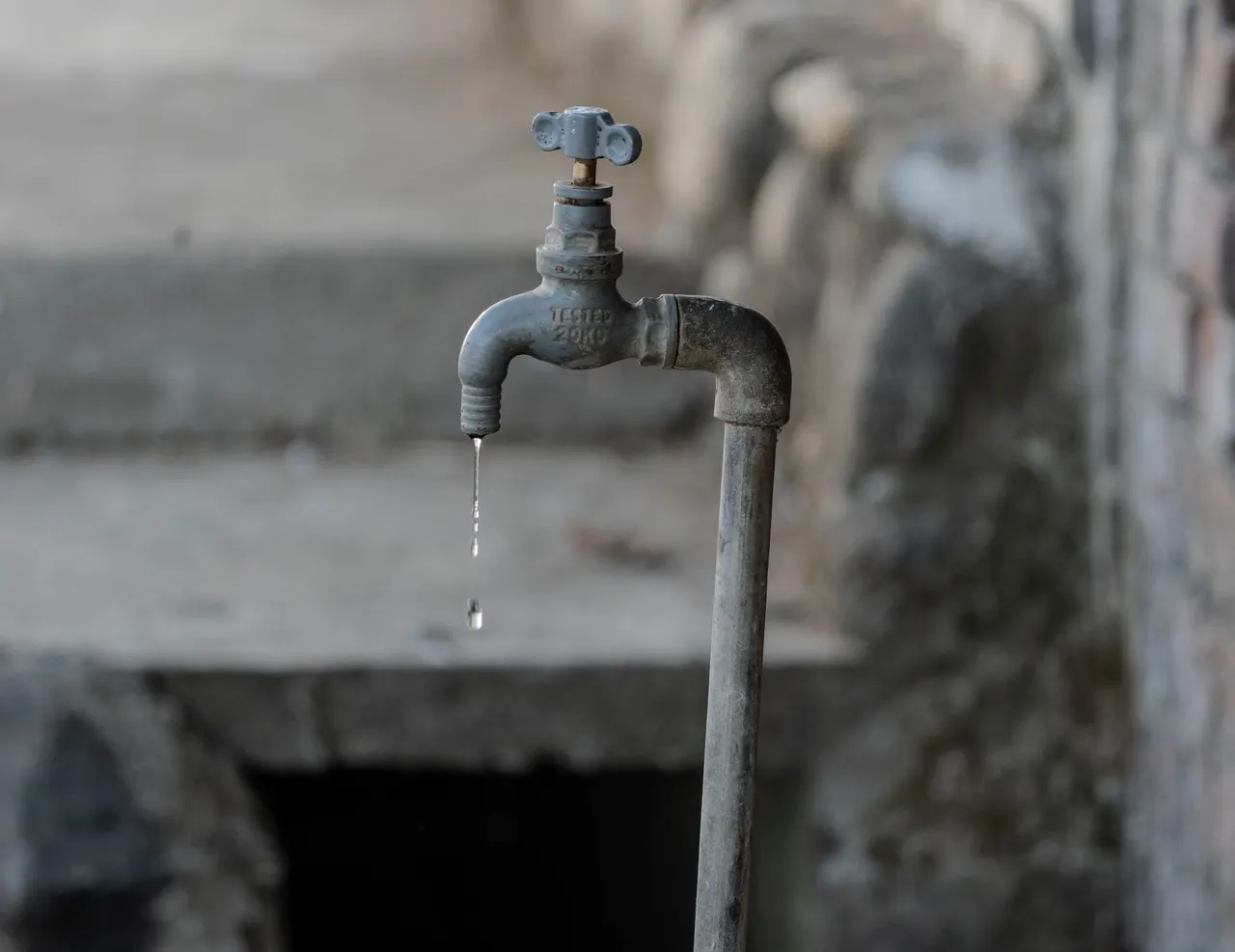
Thermal imaging leak detection Venice FL uses an infrared camera to read temperature differences across your slab and show us exactly where water is escaping. If your floor feels warm in one spot, your water bill jumped, or you hear running water with everything off, we scan the slab, mark the line, and fix it. We work Sarasota County homes and businesses seven days a week, and we tell you what we find before we touch a concrete saw.
Useful updates and clear arrival timing.
Review the approach and price before deciding.
Equipped vehicles and respectful cleanup.
Neighbors serving neighbors with follow-through.
Every scan is a full diagnostic, not a quick look. Here is what comes standard when we walk into your Venice home. Repair work is quoted separately once we know what we are dealing with, and we credit the detection fee toward the repair if you hire us for the fix.
We walk the entire accessible slab with a FLIR thermal imaging camera, logging temperature anomalies in a grid. Furniture gets moved where we can, and carpet gets scanned through. You see the camera image before we leave.
Every anomaly gets a moisture meter reading. A warm patch could be a duct, a sun-loaded slab, or a real leak, and the meter separates them. We record readings across the zone and the surrounding slab.
We isolate the suspect line and charge it with a pressure testing gauge. If it holds, we keep looking. If it drops, we have our leak. This is what keeps us from cutting concrete on a guess.
You get the leak location marked on the floor and a written summary of what we found, which line is affected, and what the repair involves. It is documentation you can keep for insurance or resale.
Once the leak is confirmed, we quote the repair flat. You decide before any concrete saw comes out. If a reroute is cheaper than an open repair, we tell you that too.
Share what is happening and receive a clear next step from the local team.
Thermal imaging leak detection Venice FL is a non-invasive diagnostic that reads surface temperature across your floor with an infrared camera. Water escaping from a pressurized line under the slab changes how heat moves through the concrete, so the wet zone shows up as a warm or cool patch on the camera screen. We walk the whole slab, mark the anomaly, then confirm it with a moisture meter and pressure testing gauge. No demolition, no guessing, no tearing up three rooms to find one pinhole pipe leak.
Venice sits on sandy soil and a high water table, and that combination punishes under-slab pipe. Copper pipe laid in the 1970s and 1980s corrodes faster here, and the telltale signs are a high water bill, warm floor spots, or water pooling on floor edges near a bathroom wall. If you have been searching thermal imaging slab leak detection near me Venice, we scan the slab first and only open the concrete where the camera and the moisture readings agree.

You call (941) 477-1483 and describe what you are seeing: warm spots, a spike in the water bill, a sound of running water. We ask a few questions, give you a rough window, and tell you how to shut the water off at the meter if the leak is active. Most calls get a same-day or next-morning slot.
We walk the interior with a thermal imaging camera and log every temperature anomaly. Floors get scanned in a grid so nothing is missed behind furniture or under carpet. This step takes 45 to 90 minutes on a typical Venice home and produces a marked floor plan.
A warm patch alone is not proof. We confirm with a moisture meter, an electronic leak detection wand, and a pressure testing gauge on the suspect line. If the system holds pressure, we keep looking. We do not open concrete on a hunch.
Once the leak is confirmed, we mark the exact spot with paint and show you the camera image. You get a flat repair price before any cutting starts. If the line can be rerouted instead of opened, we tell you that too, because sometimes it is the cheaper fix.
We cut a small access patch, repair or replace the failed section with copper pipe, PEX pipe, or CPVC pipe to match the existing system, then pressure test the line before we close it. The patch gets a concrete mix matched to the surrounding slab, and we clean up before we leave.
Reads surface temperature across the slab and shows water-warmed concrete as a visible patch. This is the core tool for every scan we run.
Listens for the sound of pressurized water escaping under the slab. Confirms what the thermal camera suggests, especially on deep or small leaks.
Takes direct moisture readings at the marked zone and surrounding slab. Separates a real leak from a duct, a sun-loaded slab, or a false positive.
Charges the suspect line and watches for pressure drop. This is the proof step that tells us the leak is real before we cut concrete.
Maps where the under-slab lines actually run so we can plan the smallest possible access patch and avoid hitting other utilities.
Picks up signal and moisture changes the camera cannot show. We run it after the thermal scan as a second confirmation on the marked area.
When a drain clog vs slab leak question comes up, we run the camera to see inside the pipe and rule out a blockage before we chase a supply leak.
We walk the slab in a consistent grid so no section gets skipped behind furniture or under carpet. Each anomaly gets logged and numbered against the floor plan, which keeps the final mark accurate.
No repair starts on a thermal image alone. Every marked spot gets a moisture meter reading and a pressure test on the suspect line. If the two do not agree, we keep scanning until they do.
Repairs are made to the Uniform Plumbing Code and Florida Building Code. Materials match the existing system, joints are properly made, and the line gets pressure tested before the patch is poured.
When the failed line allows it, we plan the repair around trenchless pipe lining equipment or a reroute to minimize concrete removal. Thermal imaging is what makes that small access point possible.
We run a full slab scan with the thermal camera and pressure test the main. The camera shows the wet zone, and the gauge confirms which line is losing water. You get a marked location and a repair price the same visit, usually within a few hours of the call.
Warm floor slab leak detection is our most common scan. We read the temperature difference across the slab and confirm the hot-water line with a pressure test. The leak gets repaired through a small access patch instead of a trench across the room.
We scan the full slab, test the supply lines, and give you a written finding with the camera images. It is a fast, non-invasive way to know what you are buying. You get documentation for the transaction and no surprises after closing.
Older copper corrodes in our sandy soil. We scan the whole slab, map any wet zones, and pressure test the suspect runs to see how much life is left in the line. You learn whether a targeted repair is enough or whether repiping makes more sense long term.
We schedule commercial and rental scans around tenant hours, run the thermal camera, and report findings the same day so you can act. The leak gets fixed before it damages flooring or drives the tenant out.
Venice slabs sit on sandy soil with a high water table, and that changes the job. Water under the slab spreads sideways faster here than it does inland, so a leak that starts under a bathroom can show up as a warm patch ten feet away in a hallway. We scan the whole slab, not just the room with the symptom. Older neighborhoods like Downtown Venice and Oakwood have original copper pipe that corrodes in this soil, while newer builds out toward Venice Gardens run PEX pipe that tends to fail at fittings. Our October afternoons still push slab temperatures into the 80s, which can mask a small leak, so we often scan in the morning or run an acoustic leak detection microphone alongside the camera to confirm. If you have been looking for the best thermal imaging leak detection Venice FL has to offer, the answer is not the biggest company, it is the one that confirms the leak with two tools before cutting. We follow the Florida Building Code on every patch and pressure test every repair before we close it.
Historic homes with original under-slab copper. Thermal imaging is the safest first step on slabs that cannot take heavy demolition.
Canal-front properties sit on a higher water table, so leaks spread fast. We scan the full slab and check the main early.
Mostly newer construction with PEX pipe. Failures cluster at fittings, so the thermal scan is paired with a targeted pressure test.
A mix of older and renovated homes. We map the actual under-slab lines with a pipe locator before marking any repair spot.
Salt air and sandy soil accelerate copper corrosion. Warm floor spots here usually mean a hot-water line is already leaking.
Water under the slab spreads sideways quickly, so a leak can show up far from the source. We scan the whole slab instead of just the room with the symptom.
Older copper pipe fails faster here than inland. We pressure test suspect runs to see how much life is left before recommending a repair or reroute.
A hot slab can mask a small temperature difference. We scan in the morning when possible and confirm with an acoustic microphone.
Original under-slab plumbing is common. Thermal imaging lets us find the failure without tearing up a historic floor.
A homeowner noticed a warm strip in the hallway and a water bill up $110 in one month. Two other plumbers had quoted a full hallway tear-out without scanning the slab first.
We scanned the slab, found the wet zone in 70 minutes, and confirmed a hot-water copper line leak with a pressure test. One access patch under 4 square feet, new copper section, pressure tested, patch poured. Bill back to normal the next cycle.
Maintenance: We told them to keep an eye on the water bill for the next two months. A $15 moisture meter check near the patch twice a year catches anything early.
Water was pooling along the base of a bathroom wall in a Venice Canals home. The slab was saturated, and the homeowner was worried about the foundation.
Thermal imaging showed the wet zone spreading six feet from the source. We located the under-slab line, repaired the failed section, and pressure tested before closing. The pooling stopped within a day and the slab dried out over the following week.
Maintenance: We recommended running a dehumidifier for a week and rechecking the moisture meter after 30 days. No further readings above baseline.
A 1968 Downtown Venice home had a water bill that doubled in two months. No visible leak inside, and the meter kept spinning with everything off.
Our thermal scan flagged a wet zone near the kitchen, and pressure testing confirmed a pinhole pipe leak in the original copper. We replaced the failed section with matching copper, retested, and the meter stopped spinning. The repair stayed under 3 square feet of concrete.
Maintenance: Because the rest of the line is original copper, we set them up with an annual pressure test to watch the remaining runs.
Most slab leaks announce themselves the same way. Here are the problems we get called for most often, and what happens if you let them run.
An underground water leak can waste 200 to 500 gallons a day. Left alone for a month, that is a bill in the hundreds and a slab base that is slowly washing out. We scan the slab with the thermal camera, test the main, and find the line that is losing pressure. Most high-bill calls get a confirmed location the same visit.
A warm floor spot usually means a hot-water line is leaking under the slab. The heat spreads through the concrete, and so does the water, softening the base under your flooring. Thermal imaging makes the wet zone visible even when the temperature difference is only a few degrees. We mark it, confirm with pressure testing, and repair the failed section.
That sound is pressurized water escaping. It will not stop on its own, and every day it runs, the leak gets bigger and the repair gets more expensive. We combine thermal imaging with an acoustic leak detection microphone to hear the escape and confirm the line. Then we shut it down and repair it, usually the same day.
Pooling water means the slab is already saturated. It can wick into drywall, feed mold, and reach the footing if it keeps going. This is a foundation water leak in the making. We scan, locate the source, and repair the under-slab line before the water spreads further. A small patch now beats foundation work later.
$250 - $550 for detection; $900 - $3,500 for repair depending on scope
Typical 2026 pricing in the Venice area runs $250 to $550 for the detection visit, depending on square footage and how many lines we pressure test. Repair is quoted separately and usually starts around $900 for a small access patch. If you hire us for the repair, we credit the detection fee toward the job. We give you the finding and the repair price before any concrete comes up, so there is no surprise line item later.
The scan is what keeps the repair small. A $300 detection visit that saves a $6,000 hallway tear-out pays for itself many times over. We credit the fee toward the repair, so the diagnostic effectively costs you nothing when you hire us.
A 1,200 square foot home scans faster than a 3,000 square foot one. Larger slabs take more grid time and more moisture readings, which moves the detection price toward the upper end of the range.
One suspect line is quick. If the thermal scan flags multiple zones, we pressure test each one, and that adds time. Most homes need one or two tests.
Tile and carpet scan fine. Glued-down hardwood or heavy built-ins slow the grid walk and can add an hour. We move what we can and work around what we cannot.
A shallow copper repair is cheaper than a deep line under a thick slab. Matching PEX pipe or CPVC pipe to the existing system also affects material cost.
Sometimes abandoning the failed line and rerouting overhead is cheaper than opening the slab. When that is true, we tell you, because it saves money on both the cut and the patch.
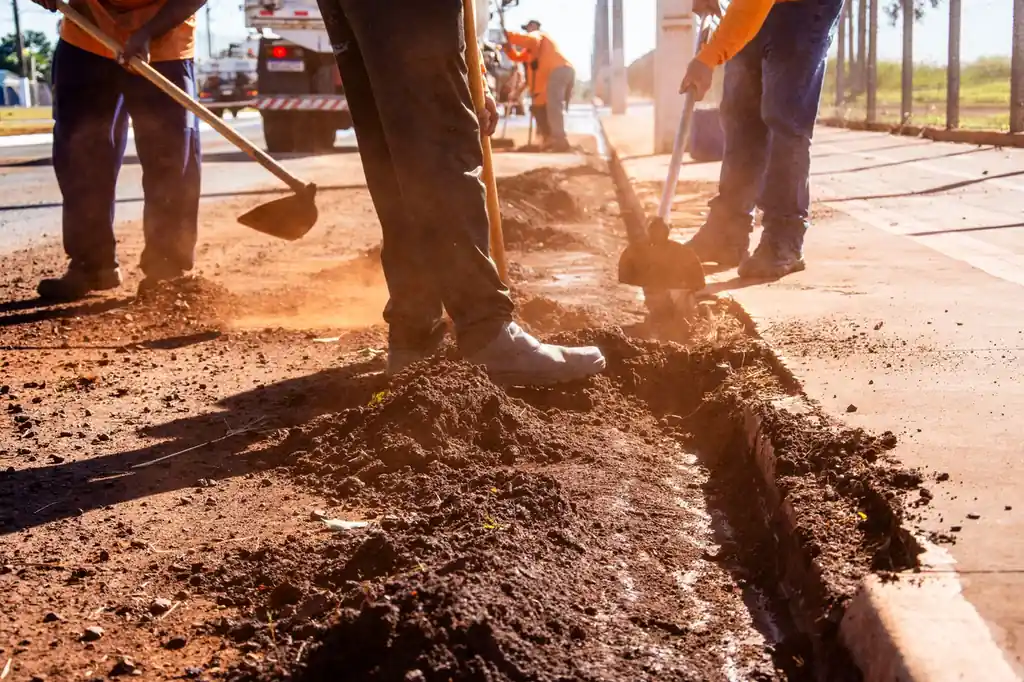
Our water bill jumped almost $120 in one month and we could not find anything wrong inside. Venice SlabGuard scanned the whole slab with the thermal camera and found a hot spot in the hallway in about an hour. They opened a patch the size of a dinner plate, replaced a corroded section of copper, and pressure tested it before they left. Bill went right back to normal.
I manage three older rentals near Downtown Venice and slab leaks are a constant headache. They ran infrared thermal leak detection in Venice on all three in one afternoon and gave me a marked floor plan for each. Two were clean. The third had a real leak under the kitchen, and we fixed it before the tenant even noticed a problem.
The floor by our bathroom felt warm for weeks and I kept putting it off. They came out, scanned with the FLIR camera, and confirmed a hot-water line leak the same visit. Small concrete cut, new PEX section, patch poured, and they cleaned up better than they found it. No guessing, no giant hole in my floor.
An infrared camera reads surface temperature across your floor and shows water-warmed concrete as a distinct patch. Water under the slab changes how heat moves through it, so the wet zone stands out. We confirm the reading with a moisture meter and a pressure test before marking the repair spot. The scan itself takes 45 to 90 minutes.
Yes, and it is the fastest first step for most under-slab leaks. Thermal imaging finds the wet zone; a pressure test confirms the line. For very deep lines or small pinhole pipe leaks, we add an acoustic leak detection microphone to hear the escape. Combining both tools is what gets us to a patch under 4 square feet.
Detection typically runs $250 to $550 in 2026 depending on square footage and how many lines we test. Repair is quoted separately and starts around $900 for a small access patch. If you book the repair with us, we credit the detection fee toward the job, so the scan effectively costs you nothing.
They answer different questions, so we use both. Thermal imaging shows where the slab is wet; acoustic detection lets us hear the pressurized water escaping. On a warm Venice afternoon, a slab can hold heat that masks a small leak, so the microphone often confirms what the camera suggests. Together they cut false positives to near zero.
Not seeing your question? Our local team can help you understand urgency, scheduling and what to expect.
Ask the local teamThermal imaging is one tool in our slab leak detection kit. We pair it with pressure testing and moisture readings to confirm the break before any concrete comes up.
View service
When water is actively pooling, we scan fast and repair the same visit. Thermal imaging shortens the search so the emergency repair starts sooner.
View service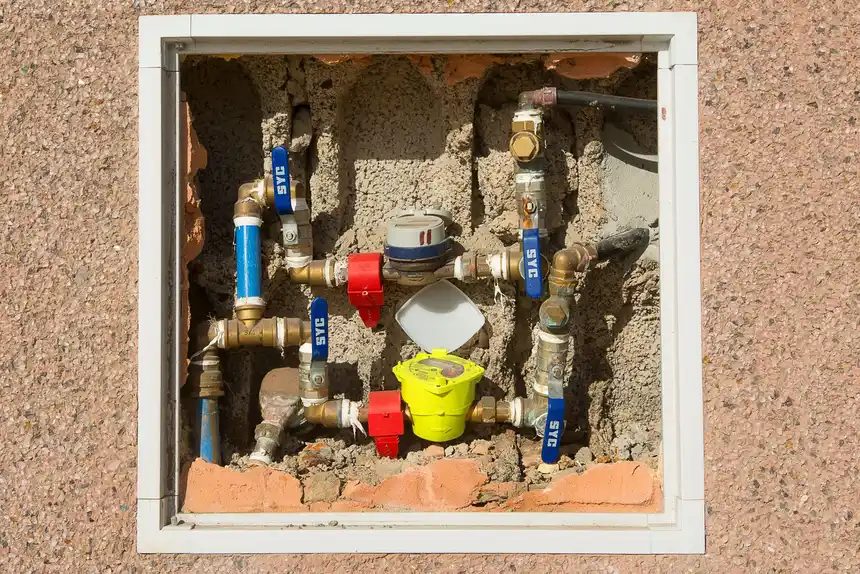
Once thermal imaging marks the wet zone, we open a small access patch and repair the failed under-slab line with copper, PEX, or CPVC to match your system.
View service
Location is the whole job. Our thermal camera, moisture meter, and pipe locator work together to put a paint mark on the exact spot worth cutting.
View service
Reach us at (941) 477-1483 or [email protected] and we will get a tech on your leak. We answer 24/7 for active water loss and schedule standard inspections Monday through Friday, 8:00 a.m. to 6:00 p.m. Same-day appointments are common across Venice and Sarasota County.