Focused arrival windows
Useful updates and clear arrival timing.
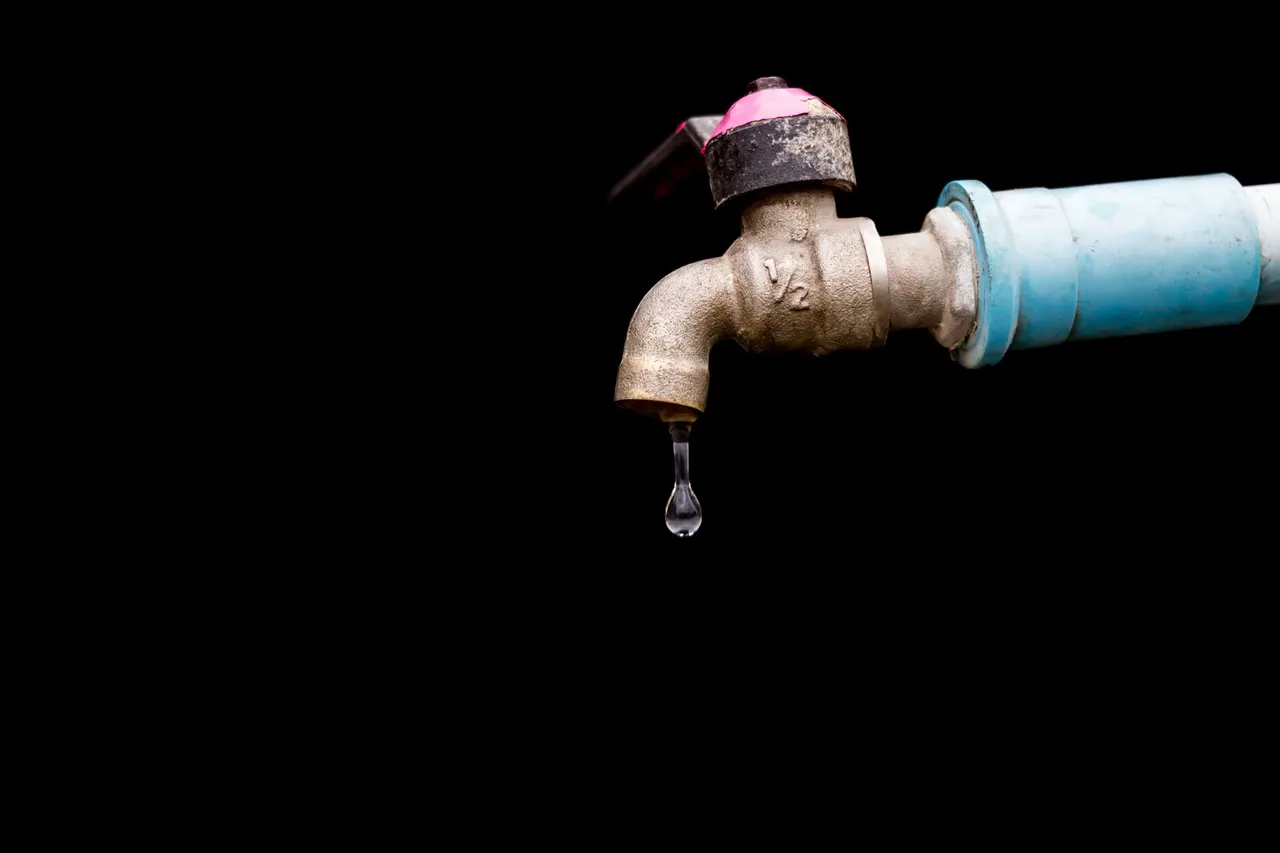
If you are searching for signs of a slab leak Venice FL homeowners trust, start with the obvious: a water bill that jumps 20-40% with no change in habits, a warm patch on the floor, or the sound of running water when every fixture is off. We locate and confirm slab leak symptoms Venice FL residents deal with daily, from Venice Canals bungalows to Silver Strand builds, using acoustic and thermal gear that pinpoints the break without tearing up your whole floor.
Useful updates and clear arrival timing.
Review the approach and price before deciding.
Equipped vehicles and respectful cleanup.
Neighbors serving neighbors with follow-through.
Every slab leak call includes detection, confirmation, and a written repair plan. You will know where the leak is, what it will cost to fix, and how long your water is off before we start cutting. Here is what is covered.
We isolate the domestic water system and pressurize it with a pressure testing gauge. A dropping gauge confirms an under-slab pipe leak. This test takes 20 to 30 minutes and is included with every detection visit.
We walk the slab with a Sewerin acoustic microphone and a FLIR thermal imaging camera. Together they narrow the break to a 12-inch target. You get a marked location before any concrete saw touches your floor.
A moisture meter maps how far water has spread under the slab. We mark the wet zone so you can see the extent of the problem. This also tells us whether the surrounding flooring needs drying or treatment.
You get a written price for the repair before we cut. Single-point repairs, reroutes, and whole-house repipes are all quoted flat. No hourly billing, no change orders for a patch.
We repair the failed section, transition to PEX if needed, and re-pressurize the system for a final hold test. You get before-and-after pressure readings and a moisture reading on the slab before we leave.
We backfill, pour a matched concrete patch, and clean the work area. Your floor is level, the dust is gone, and the repair is warrantied for 2 years on pipe work.
Share what is happening and receive a clear next step from the local team.
A slab leak is a pressurized water line failing under your concrete foundation. In Venice, most of these failures happen in copper pipe that has been sitting in sandy, slightly alkaline soil for 25 to 40 years. The signs of a slab leak Venice FL homeowners report most often are a sudden spike in the water bill, a warm or hot spot on the floor, the faint sound of running water at 2 a.m., and hairline cracks tracking across tile or vinyl. Left alone, that water carves out the soil under your slab and turns a $400 repair into a $6,000 foundation problem.
Local conditions make this worse. Venice sits on sandy soil with a high water table, and our summer rainy season pushes that table up for months. When an under-slab pipe leak starts, the water has nowhere to drain, so it pools under the slab and wicks up through the concrete. If you have been typing how to tell if you have a slab leak Venice Florida into your phone while standing on a warm kitchen floor, that is your answer. We confirm it with a pressure testing gauge and a moisture meter before we quote a single repair.

You call (941) 477-1483 and describe what you are seeing. We ask about the water bill, warm floor spots, and whether the meter spins with everything off. That five-minute call tells us whether to roll a truck today or schedule a detection visit. Most Venice calls get a same-day window.
We isolate the domestic water system and pressurize it with a pressure testing gauge. If the gauge drops with all fixtures closed, you have a confirmed under-slab pipe leak. This step takes 20 to 30 minutes and costs nothing extra when you book the repair with us.
We walk the slab with an acoustic leak detection microphone and a FLIR thermal imaging camera. The microphone hears the hiss of escaping water; the camera shows the warm streak where hot water is bleeding into the concrete. Together they narrow the break to a 12-inch target before we cut anything.
For a single accessible break, we cut a small access hole with a concrete saw, repair the copper or transition to PEX pipe with SharkBite fittings, and pressure test again. For pipe that is failing in multiple spots, we reroute the line overhead through the attic instead of chasing leaks under the slab.
We backfill, pour a concrete patch, and re-pressurize the system for a final hold test. You get before-and-after pressure readings, a moisture meter reading on the slab, and a written summary of what we fixed. Water goes back on the same day in most cases.
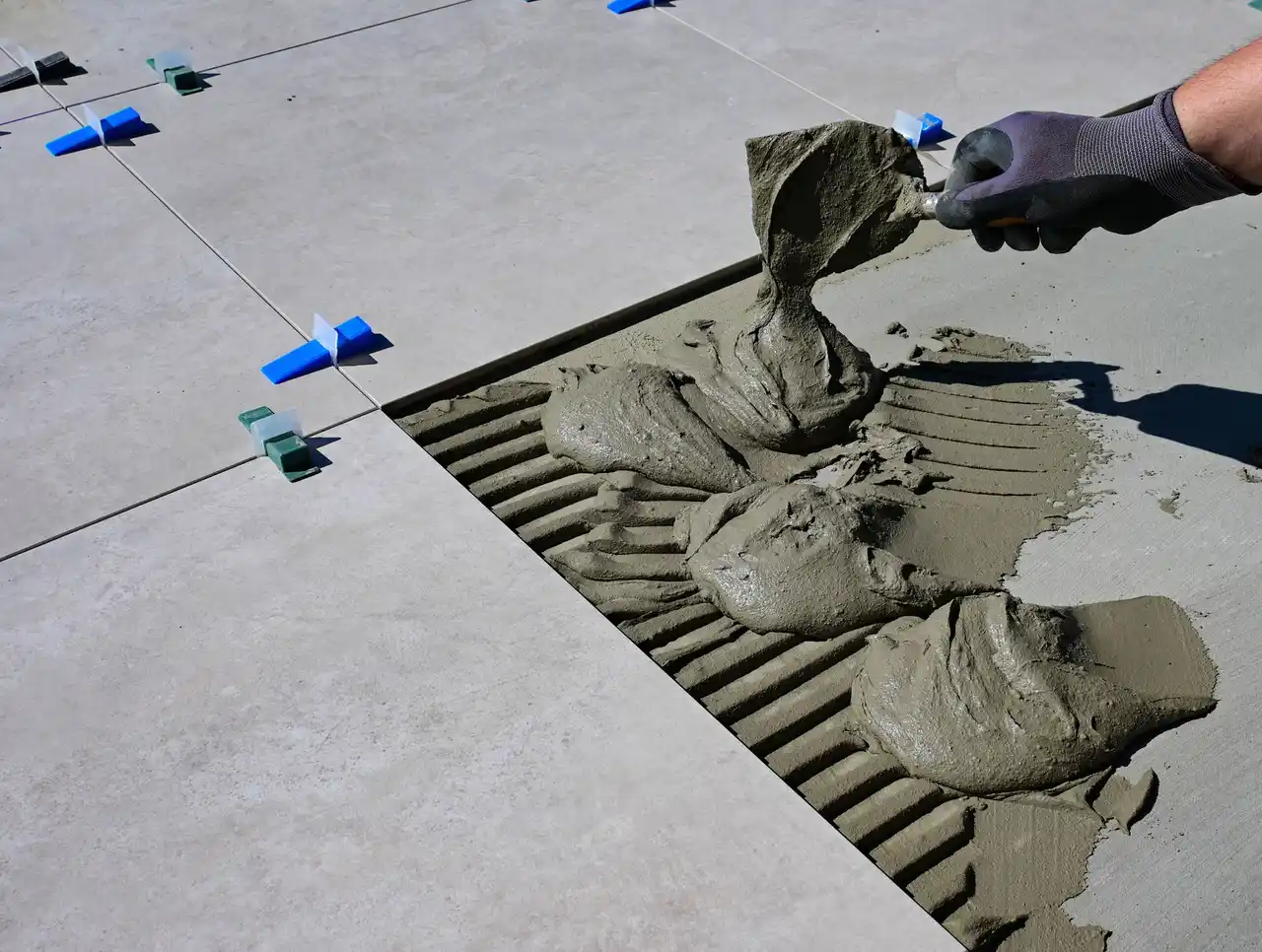
Listens for the frequency of pressurized water escaping a pipe. Works best at night when traffic noise drops. Narrows the leak to a 12-inch target.
Shows the warm streak where hot water is bleeding into the slab. Works through tile, vinyl, and carpet without opening the floor.
Confirms whether the domestic water system is losing pressure. A dropping gauge with all fixtures closed means an under-slab pipe leak.
Maps how far water has spread under the slab and verifies the slab is drying after the repair.
Looks inside accessible drain and water lines to confirm pipe condition and rule out a drain clog vs slab leak.
Cuts a precise access point in the slab once the leak is located. Keeps the repair to a 2x2 foot section instead of the whole floor.
Maps the path of under-slab water lines so we know exactly where to cut and where to reroute.
We isolate the domestic water system from irrigation and fixtures, then pressurize it. A gauge drop confirms an under-slab pipe leak. This is the fastest way to separate a real slab leak from a running toilet or irrigation valve.
We never rely on a single tool. The acoustic microphone hears the leak, and the thermal camera shows the warm zone. When both point to the same spot, we cut with confidence.
When a slab line is failing in multiple spots, we abandon it and run new PEX through the attic. This avoids large concrete cuts and gives you a permanent fix. Most Venice homes are done in 2 to 4 days.
Every repair follows the Uniform Plumbing Code (UPC) and Florida Building Code. We use code-correct fittings, proper transitions between copper and PEX, and pressure test before closing up.
We run a pressure test and acoustic locate to confirm whether the loss is under the slab or somewhere else. If it is a slab leak, we give you a flat repair price and schedule the work. You get a confirmed source, a written price, and a repair date. Most bills return to normal the first full month after the fix.
We use thermal imaging to map the warm zone and acoustic listening to confirm the hot-water leak. Then we cut a small access point and repair the line. The warm spot disappears, the slab dries, and you avoid the cracked tile and settling that follow a long-running leak.
We isolate the domestic system, pressure test it, and listen with a Sewerin acoustic microphone. The break gets marked within 12 inches before we cut. The noise stops, the meter stops spinning, and you get a same-day repair in most cases.
We pressure test, moisture map, and provide a written report on whether there is an active leak. If there is, we quote the repair so you can decide before closing. You get a clear answer for the buyer, and if a repair is needed, it is done before the deal falls apart.
Venice sits on sandy soil with a high water table, and our summer rainy season pushes that table up for months. That combination is hard on under-slab copper pipe. Most of the slab leaks we find in Venice are in homes built between 1960 and 1990, where original copper has been sitting in slightly alkaline soil for decades. The pinhole pipe leak starts small, then the water has nowhere to drain, so it pools under the slab and wicks up through the concrete. If you have been searching slab leak symptoms Venice Florida on your phone while standing on a warm floor, that is the pattern. We work Sarasota County every week and know where these lines run in Venice Canals bungalows, Silver Strand builds, and the older block homes near Downtown Venice. Our trucks carry the acoustic and thermal gear to confirm the leak before we cut, and we follow the Florida Building Code on every patch and reroute.
Many homes here are 1950s to 1970s builds with original copper under the slab. The high water table makes leaks show up as damp floors and musty air first.
Larger lots with longer under-slab runs. When a leak starts here, the water bill spike is often the first sign because the pipe runs are longer.
Newer construction with PEX pipe. Leaks here are usually at fittings, not the pipe itself, and they show up as warm spots or pressure loss.
Historic homes with terrazzo and tile floors. We use non-invasive detection first so we do not damage original flooring unless a repair is confirmed.
Water from a slab leak cannot drain away, so it pools under the slab and wicks up through concrete. This makes moisture readings higher and repairs more urgent.
This soil chemistry is hard on copper pipe. It accelerates pinhole leaks and concrete slab pipe corrosion, which is why so many Venice homes see slab leaks after 25 to 40 years.
Homes built before 1990 often have copper under the slab that is nearing the end of its life. We see more multi-point failures in these homes, which sometimes means a reroute is smarter than a single repair.
Coastal homes in Venice Beach and Marina Peninsula see faster corrosion on exposed fittings and pipe. We use corrosion-resistant materials on repairs within a mile of the Gulf.
A Venice Canals homeowner saw the water bill jump from $95 to $310 over two months. The meter never stopped spinning. We pressure tested, located a copper leak under the kitchen slab, and confirmed it with acoustic and thermal tools.
We cut a 2x2 foot access point, repaired the copper line, and pressure tested to 80 psi for 30 minutes with no drop. The concrete was patched the same day. The next full month's bill came in at $102.
Maintenance: We recommended a yearly meter check and a moisture reading near the repair. If the rest of the copper line starts failing, a reroute is the next step.
A Venice Gardens homeowner had a warm patch on the hallway tile for six weeks. Thermal imaging showed a hot-water leak under the slab, and acoustic listening narrowed it to a 12-inch target. The tile was original and the owner did not want it destroyed.
We cut one small access hole from an adjacent closet, repaired the hot-water line, and pressure tested. The tile stayed intact. Floor temperature returned to normal within four hours, and the slab moisture reading dropped to normal in five days.
Maintenance: We suggested checking the water meter monthly and watching for any new warm spots. Early detection on the next one means the same small repair.
A 1970s home near Downtown Venice had three separate slab leaks in 18 months. Each repair was getting more expensive, and the owner was tired of cutting concrete. The copper line was failing in multiple spots from soil corrosion.
We rerouted the entire domestic water system through the attic with new PEX pipe, abandoned the old copper in place, and restored pressure to every fixture. The job took three days. No more concrete cuts, and the system pressure held at 80 psi.
Maintenance: The new PEX carries a 5-year workmanship warranty. We recommended an annual whole-house pressure check to catch any fitting issues early.
Most Venice slab leak calls start with one of these four problems. Each one gets worse the longer it sits, and each one has a clear fix once we confirm the source.
A pinhole pipe leak under the slab can push 5,000 to 30,000 gallons a month into the soil. At Venice rates, that is $80 to $400 a month you are paying for water that never reaches a fixture. We pressure test the domestic system, locate the leaking line with acoustic and thermal tools, and repair the failed section. Most single-point repairs are done in one day, and your meter stops spinning at night.
A warm patch means hot water is escaping under the slab. It saturates the soil, erodes support, and can lead to cracked tile and differential settling if it runs for months. We map the warm zone with a FLIR thermal camera and confirm with acoustic listening. Then we cut a small access point, repair the hot-water line, and pressure test. The floor goes back to normal temperature within hours.
That hiss is pressurized water escaping a pipe. At 2 a.m. it is easy to hear, which is when most Venice homeowners notice it. Left alone, it will undermine the slab and can flood a room. We isolate the system, listen with an acoustic leak detection microphone, and pinpoint the break. If the pipe is failing in multiple spots, we reroute overhead instead of chasing leaks under the slab.
Water wicking up through the slab ruins carpet pad, baseboards, and laminate. Mold can start within 48 hours. This is one of the later signs of slab leak under foundation Venice FL homeowners see. We find the source, stop the leak, and verify with a moisture meter that the slab is drying. We can also recommend a drying plan for the affected flooring so mold does not take hold.
$450 - $6,500 depending on scope
Typical 2026 pricing in this area runs $450 to $1,800 for a single-point slab leak repair, and $2,800 to $6,500 for a full under-slab reroute. Detection and pressure testing are included when you book the repair with us. The biggest cost drivers are how deep the pipe sits, whether the floor is tile or carpet, and whether the line can be repaired in one spot or needs to be rerouted. We give you a flat price before we cut, so there are no hourly surprises.
A confirmed slab leak repair costs a fraction of a foundation repair. We give you a flat price before we cut, use non-invasive detection first, and warranty the pipe work for 2 years. That is the whole deal.
A pipe 4 inches under the slab is a quick cut and patch. A line 12 inches down or under a thickened footing takes more concrete work and time. We confirm depth during the locate so the quote is accurate.
Carpet and vinyl lift and reinstall easily. Tile and terrazzo need careful cutting and matching. We factor in the flooring work so you are not surprised by a separate bill from a flooring contractor.
One confirmed leak point is a targeted repair. If the pipe is failing in multiple spots, a reroute through the attic is often cheaper long-term than chasing leaks one at a time. We tell you honestly which one fits.
Hot-water leaks are easier to locate with thermal imaging, which can save detection time. Cold-water leaks take longer to pinpoint acoustically, which adds labor to the locate.
Kitchen islands, built-in cabinets, and heavy furniture over the leak add time. We move what we can and protect what we cannot, but tight access does affect the schedule.
Copper repairs need proper transition fittings. PEX and CPVC repairs use different materials. We carry all three on the truck so the repair is code-correct the first time.
We are a Florida licensed plumber working Sarasota County slabs every week. Our technicians carry IAPMO certification and work to the Uniform Plumbing Code (UPC) and Florida Building Code on every repair. We have located and repaired hundreds of under-slab leaks in Venice, from 1950s block homes near Downtown Venice to newer PEX builds in North Venice. Our trucks carry RIDGID press tools, Milwaukee inspection cameras, Sewerin acoustic gear, and FLIR thermal cameras, so we confirm the leak on the first visit instead of guessing.
Our water bill went from $95 to $310 in two months and we could not figure out why. Venice SlabGuard pressure tested the lines, found the copper leak under the kitchen slab, and had it repaired the same day. They cut one small square, patched it, and the bill dropped right back. No drama, no upsell.
I noticed a warm spot on the tile for weeks and kept ignoring it. Finally called these guys. They used a thermal camera and an acoustic mic and found the hot-water line leaking under the hallway. Repair was done in one afternoon. I wish I had called them a month earlier.
We manage six rentals near the historic district, all older homes with original copper. Venice SlabGuard has located three slab leaks for us this year. Every time they gave us a flat price before cutting and finished when they said they would. They are our first call now.
The top signs of a slab leak Venice FL homeowners report are a water bill that jumps 20-40% with no usage change, a warm spot on the floor, the sound of running water when everything is off, and damp or buckling flooring. You may also see hairline cracks in tile or a water meter that never stops spinning. If two or more of these show up together, call us for a pressure test.
Shut off every fixture and appliance, then watch the water meter for 15 minutes. If the low-flow dial still moves, water is escaping somewhere in the system. To confirm it is under the slab and not a toilet flapper or irrigation line, we pressure test the domestic lines and listen with an acoustic microphone. That test takes about 30 minutes and gives you a yes or no answer.
Early slab leak symptoms Venice Florida residents catch first are subtle: a faint hiss near a wall at night, a small warm patch on the floor, or a water bill that climbs $20 to $40 over two months. Catching it at this stage usually means a single-point repair instead of a reroute. Once you see standing water or cracked tile, the soil under the slab has already started moving.
You can catch the obvious ones: meter test, warm floor check, and a visual scan for cracks or damp baseboards. What you cannot do at home is pinpoint the break through 4 inches of concrete. That takes an acoustic leak detection microphone and a thermal imaging camera. We handle the locate, confirm the depth, and give you a flat repair price the same day.
Not seeing your question? Our local team can help you understand urgency, scheduling and what to expect.
Ask the local team
We confirm whether the leak is under the slab or in the walls using pressure testing and acoustic gear. For Venice homeowners, this is the first step after spotting signs of a slab leak Venice FL, and it tells us exactly where to cut.
View service
Active water loss under a Venice slab cannot wait until Monday. We roll a truck 24/7, isolate the line, and stop the water the same visit. Most emergency calls in Sarasota County get a tech on site within 90 minutes.
View service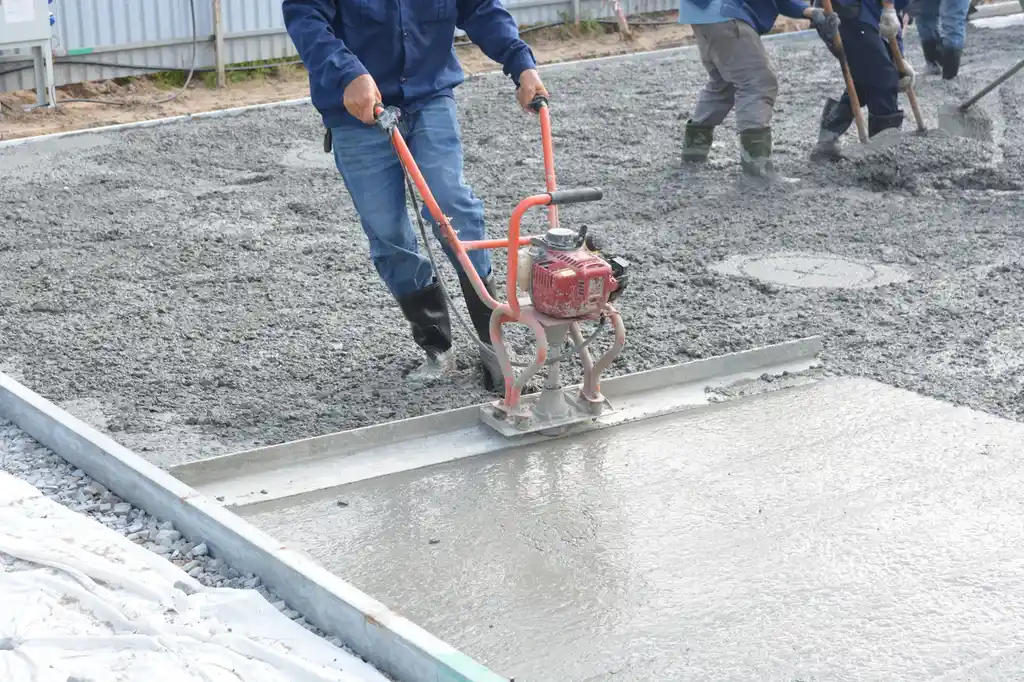
Once we confirm an under-slab pipe leak, we cut a small access point, repair the copper or transition to PEX, and pressure test again. This keeps the repair to a 2x2 foot section instead of tearing up the whole floor.
View service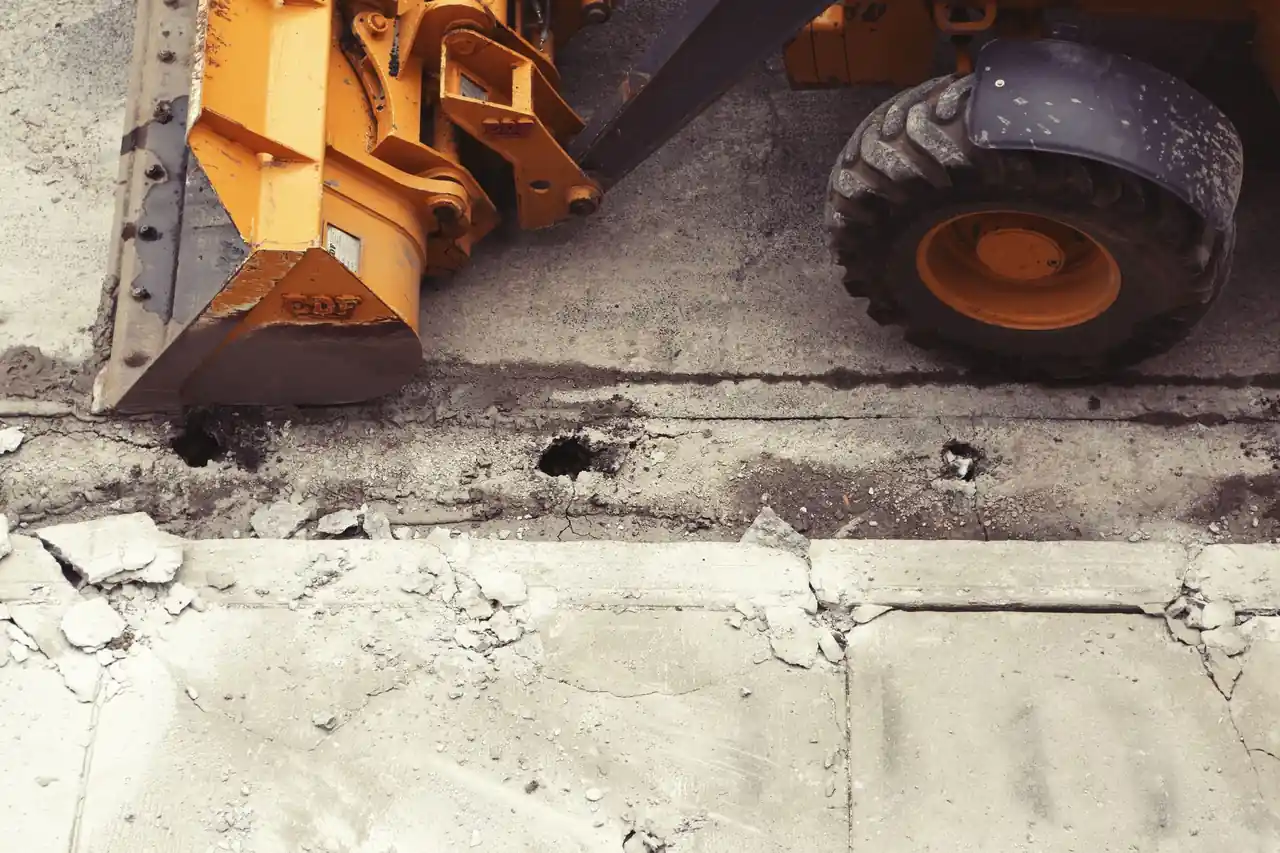
Our locators use acoustic microphones and thermal cameras to mark the break within 12 inches. For Venice homes with tile or terrazzo, that precision is the difference between one clean cut and exploratory jackhammer work across the room.
View serviceReach us at (941) 477-1483 or [email protected] and we will get a tech on your leak. We answer 24/7 for active water loss and schedule standard inspections Monday through Friday, 8:00 a.m. to 6:00 p.m. Same-day appointments are common across Venice and Sarasota County.