Focused arrival windows
Useful updates and clear arrival timing.

Electronic water leak detection Venice FL locates hidden under-slab pipe breaks without tearing up your whole floor. We use acoustic microphones, thermal imaging cameras, and pressure testing to pinpoint the leak to within inches, then repair it. If your water bill spiked, a floor spot feels warm, or you hear water running with everything off, call us at (941) 477-1483.
Useful updates and clear arrival timing.
Review the approach and price before deciding.
Equipped vehicles and respectful cleanup.
Neighbors serving neighbors with follow-through.
Every electronic water leak detection Venice FL visit covers the full diagnostic sequence, not just a quick listen. You get the readings, the marked zone, and a repair plan. Repairs, reroutes, and repiping are quoted separately once we know what we are dealing with.
We isolate fixtures, irrigation, and pool lines, then pressurize the supply with a pressure testing gauge. A steady drop confirms a supply-side leak and rules out false alarms before we scan the slab.
An acoustic leak detection microphone and FLIR thermal imaging camera cover the suspect area. We cross-check the two readings so the marked spot is confirmed, not guessed.
A moisture meter maps how far water has spread under the floor. That tells us the size of the access patch and whether adjacent flooring is at risk of mold or delamination.
We tape and photograph the exact leak zone on your floor and hand you the readings. You see the evidence before anyone picks up a concrete saw or jackhammer.
You get a firm price for spot repair, section replacement, or reroute, whichever fits the line. No pressure to decide on the spot, and the detection report is yours either way.
Share what is happening and receive a clear next step from the local team.
Electronic water leak detection Venice FL is the process of finding a hidden water leak with instruments instead of guesswork. We pressurize your plumbing system with a pressure testing gauge, then listen through the slab with an acoustic leak detection microphone. A thermal imaging camera and infrared camera show temperature differences where water is escaping. A moisture meter confirms the wet zone. When the signal is unclear, we run a video pipe inspection camera or a pipe locator to trace the line. Most homes take two to four hours to scan.
Venice sits on sandy soil and a high water table, and much of the housing stock dates from the 1970s through the 1990s, when copper pipe was standard. That combination drives pinhole pipe leaks, concrete slab pipe corrosion, and underground water leaks under Sarasota County homes. If you are searching for electronic leak detection service Venice Florida, we can usually get a tech out the same day. We also handle electronic leak detection near me Venice calls after hours.
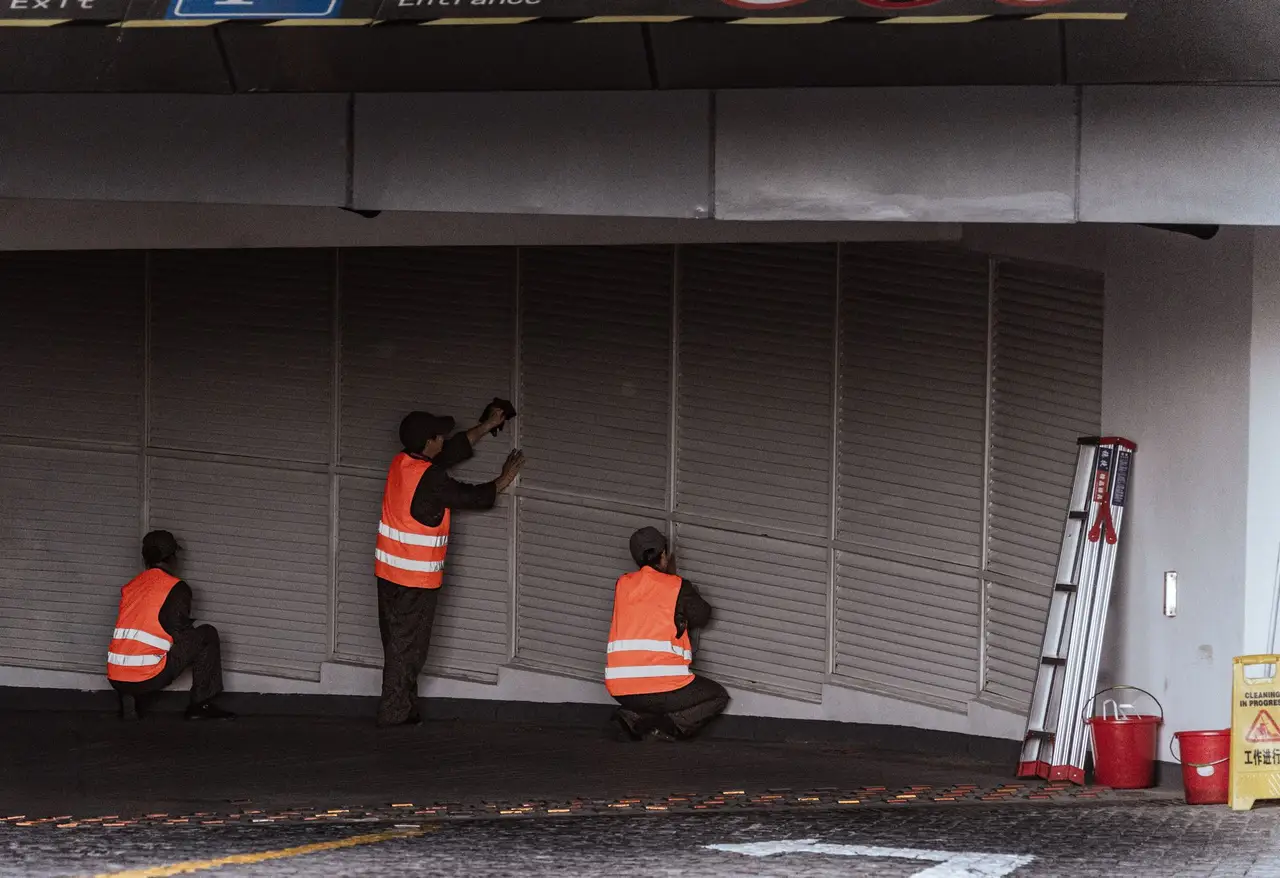
We ask about your water bill, warm floor spots, and any sound of running water. That tells us whether to bring slab gear or start with a fixture check. Most calls are booked the same day, and we keep a 24/7 line for emergencies.
We shut off the fixtures and pressurize the line with a pressure testing gauge. If the gauge drops with everything closed, you have a supply-side leak. This step takes 20 to 30 minutes and rules out irrigation and pool lines first.
We walk the slab with an acoustic leak detection microphone and a FLIR thermal imaging camera. The microphone picks up the hiss of escaping water; the camera shows the warm or cool streak where it travels. Together they narrow the target to a small zone.
A moisture meter confirms the wet area, and a pipe locator traces the exact run. We mark the floor with tape and photograph the readings. You see the evidence before we ever touch a concrete saw.
We explain whether the fix is a spot repair, a reroute, or a section replacement, and hand you a firm price. If you approve, we start the same visit in most cases. If not, you keep the detection report at no obligation.
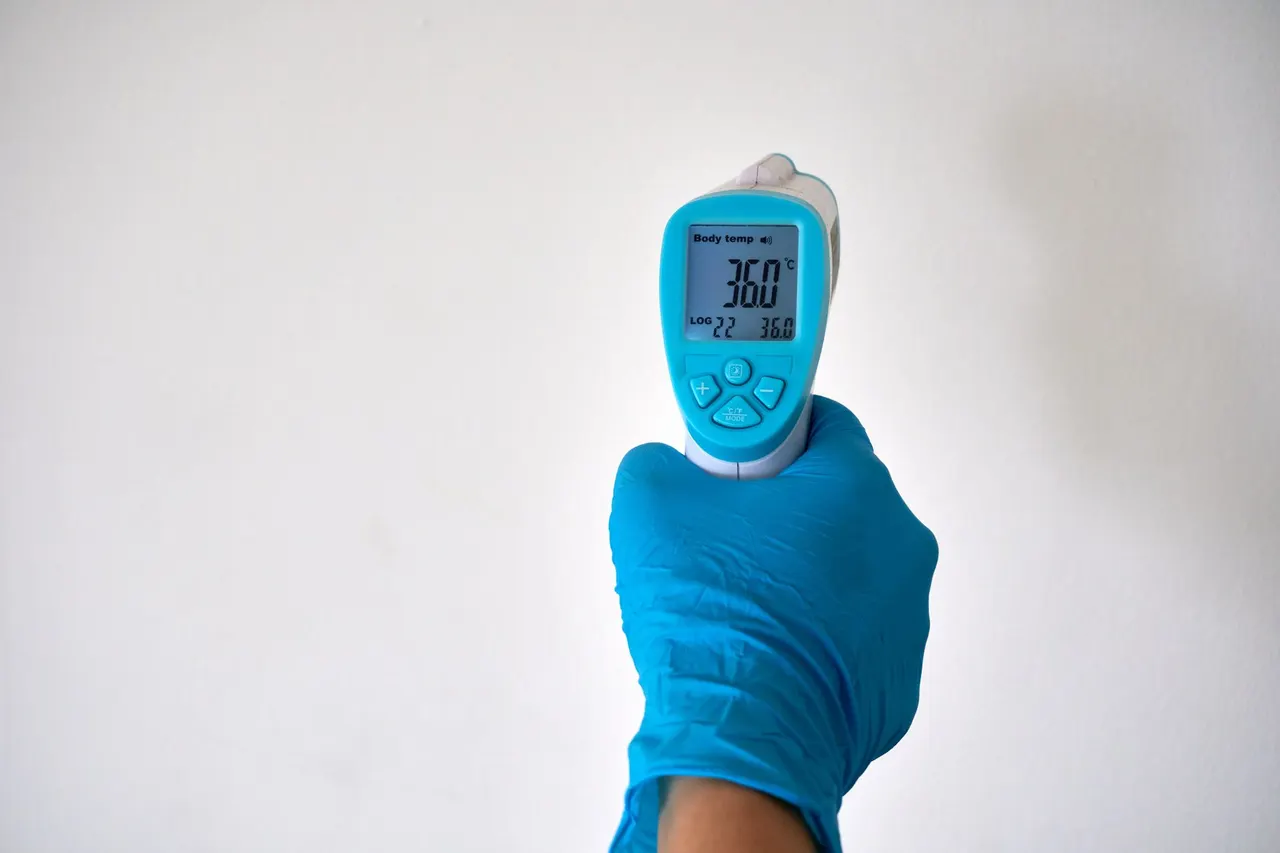
Listens through the slab for the frequency of pressurized water escaping a pipe. Best on supply lines and the fastest way to narrow a search zone.
Shows the warm or cool streak where leaking water travels under the floor. Confirms what the microphone hears and covers large areas quickly.
Pressurizes the isolated supply and watches for a drop. The first test on every job and the one that confirms a supply-side leak.
Reads the percentage of moisture in the slab and surrounding flooring. Tells us how far the water has spread and how big the access patch needs to be.
Traces the exact run of the pipe under the slab so we mark the leak on the correct line, not a neighboring one.
General Pipe Cleaners camera we send down the line when the acoustic signal is muddy. Confirms cracks, corrosion, and joint failures from the inside.
RIDGID inspection reels and Fluke meters back up the primary detection tools. Same brand set on every truck for consistent readings.
We close every fixture, isolate irrigation and pool lines, and pressurize the supply. Then we listen with the acoustic microphone. This sequence removes false positives before we scan the slab.
Every acoustic hit gets a thermal confirmation. If the microphone hears water but the camera shows no temperature streak, we widen the scan rather than cut. Two tools agreeing is our standard.
Repairs follow the Uniform Plumbing Code and Florida Building Code. Copper, PEX, and CPVC joints are made with approved fittings, and every repair is pressure-tested before the concrete patch goes in.
When a line qualifies, trenchless pipe lining or an overhead reroute avoids a large concrete cut. We evaluate the run after detection and quote it alongside the traditional repair.

We pressure-test the supply, isolate the irrigation, and scan the slab with acoustic and thermal gear. The leak turns out to be a pinhole in a hot water branch under the hallway tile. A three-square-foot access patch, a copper repair, and a pressure test that holds. The next bill drops back to the prior range.
Thermal imaging traces the hot line to a failed fitting. We expose the fitting, repair it with matching PEX and fittings, and pour a concrete patch matched to the slab. Tile is re-set on a dry, repaired slab, and the tenant stays in place with no relocation cost.
We work after close, pressure-test the supply, and scan with infrared and acoustic gear. The leak is a cracked CPVC joint under the dish pit. Repair is done overnight, the line is pressure-tested, and the kitchen opens on time the next morning.
After detection confirms the third break, we quote both a spot repair and an under-slab pipe reroute. The homeowner chooses the reroute to stop the cycle. The line is rerouted overhead, the old run is abandoned, and no further slab cuts are needed on that line.
Venice sits on sandy soil with a high water table, and salt air on the island side accelerates corrosion on copper pipe. Homes built from the 1970s through the 1990s dominate the inland neighborhoods, and most still have original copper supply lines under the slab. That combination makes pinhole pipe leaks and concrete slab pipe corrosion common. In older island homes near the Venice Canals, we often find thin slabs and short pipe runs, which changes how we scan. Inland, in Venice Gardens and North Venice, the slabs are thicker and the runs longer, so we lean on the pipe locator and thermal camera to cover more ground. We work to the Florida Building Code on every concrete patch and follow the Uniform Plumbing Code on every joint. If you need electronic water leak detection 24/7 Venice service, we keep an after-hours line open for active leaks. Most scans finish in two to four hours, and we can usually repair the same day.
Older island homes with thin slabs and short copper runs. Salt air speeds up corrosion, so pinhole leaks show up earlier here than inland.
1970s and 1980s builds with original copper under thicker slabs. Longer runs mean we rely on the pipe locator and thermal camera to cover ground.
Newer construction with PEX and CPVC lines. Leaks here tend to be fitting failures rather than mid-run corrosion.
Mixed-age housing and commercial buildings. We schedule after-hours scans for restaurants and retail so business is not interrupted.
Water travels fast under the slab, so a small leak can show up as a wide damp zone. We use the moisture meter to map spread and keep the access patch small.
Copper pipe near Venice Beach and the Marina Peninsula corrodes faster. We check for multiple pinholes on the same run before closing the floor.
Original copper is past its typical service life in many Venice homes. Detection often finds more than one weak spot, so we quote a section replacement when it makes sense.
Spring and summer irrigation can mimic a slab leak on the water bill. We isolate those lines first so the detection scan targets the right system.
A homeowner's water bill jumped from $95 to $210 in one cycle. No visible water, no wet drywall. Two other companies suggested cutting the slab in the hallway on a hunch.
We pressure-tested, scanned with acoustic and thermal gear, and located a pinhole in a hot water branch under the kitchen tile. One three-square-foot patch, a copper repair, and a pressure test that held at 80 psi.
Maintenance: Keep an eye on the next two water bills. If the number stays flat, the repair is holding. We recommend a follow-up moisture check after 30 days if the floor was damp.
A restaurant had water on the floor during lunch service and could not find the source. Closing for a day would have cost thousands in lost sales.
We scanned after close, found a cracked CPVC joint under the dish pit, and repaired it overnight. Pressure test held, concrete patch cured, and the kitchen opened on time the next morning.
Maintenance: We re-checked the joint at 30 days. Keeping the dish pit area dry and watching for new moisture is the best early warning on CPVC lines.
A homeowner had two prior slab repairs on the same copper line and a third leak appeared within 18 months. Repeated cuts were adding up and the floor was patchwork.
After detection confirmed the third break, we rerouted the line overhead and abandoned the old run. No further slab cuts on that line, and the floor was patched clean.
Maintenance: Rerouted lines should be visually checked once a year in the attic. We pressure-tested the new run at install and it has held since.
Most Venice slab leak calls start with one of four symptoms. Electronic testing turns each of them into a located, repairable problem instead of an open-ended mystery.
An underground water leak can waste 10,000 gallons a month and keep climbing. Left alone, it undermines the slab and can void a homeowner's claim if the damage is deemed neglected. We pressure-test the supply, isolate irrigation and pool lines, then scan the slab with acoustic and thermal gear. Once located, we repair the line and re-test. Most customers see their next bill return to normal.
A warm floor spot usually means hot water is escaping under the slab. It erodes the concrete from below and can crack tile or lift flooring within a few months. Thermal imaging and infrared scanning trace the hot line to the break. We open a small patch, repair the copper or PEX pipe, and pressure-test before closing the floor with a matched concrete patch.
That hiss is pressurized water escaping a pinhole pipe leak or a failed fitting. It will not stop on its own, and shutting the main off is only a temporary fix. An acoustic leak detection microphone pinpoints the frequency of escaping water. We confirm with a moisture meter, then repair the section and verify with a pressure test. Same-day service is common.
Water at the base of a wall can mean a foundation water leak or a broken line running under the footing. Ignoring it leads to efflorescence, mold, and structural repair costs far above a pipe fix. We locate the source electronically, repair the line, and inspect the surrounding concrete for damage. If the run has failed before, we quote an under-slab pipe reroute to end the cycle.
$180 - $450 for detection; repairs quoted separately
Detection is the smallest line item on a slab leak job, and it is the one that saves the most money. Typical 2026 pricing in the Venice area runs $180 to $450 for electronic water leak detection Venice FL, depending on home size and how many lines we scan. Repairs are quoted separately once we know what we are dealing with. You get the readings and the marked zone whether or not you hire us for the fix.
Detection is what keeps a slab leak from turning into a $6,000 floor replacement. A few hundred dollars of testing narrows the cut to a few square feet, and the readings double as insurance documentation.
A 1,200-square-foot cottage scans faster than a 3,000-square-foot home with multiple wings. Larger slabs need more thermal passes and more acoustic listening points.
One suspect branch is quick. If the bill spike could come from hot, cold, or irrigation, we isolate and test each. Each additional line adds time and equipment setup.
Tile and hardwood are straightforward. Thick carpet, floating floors, or recent tile over membrane can dampen acoustic signals, so we lean harder on thermal imaging.
Older island homes often have thinner slabs and shorter runs, which scan faster. Thicker inland slabs and long runs take more passes with the pipe locator.
Active leaks that cannot wait until morning carry a higher rate. We keep a 24/7 line open and move emergency calls to the front of the schedule.
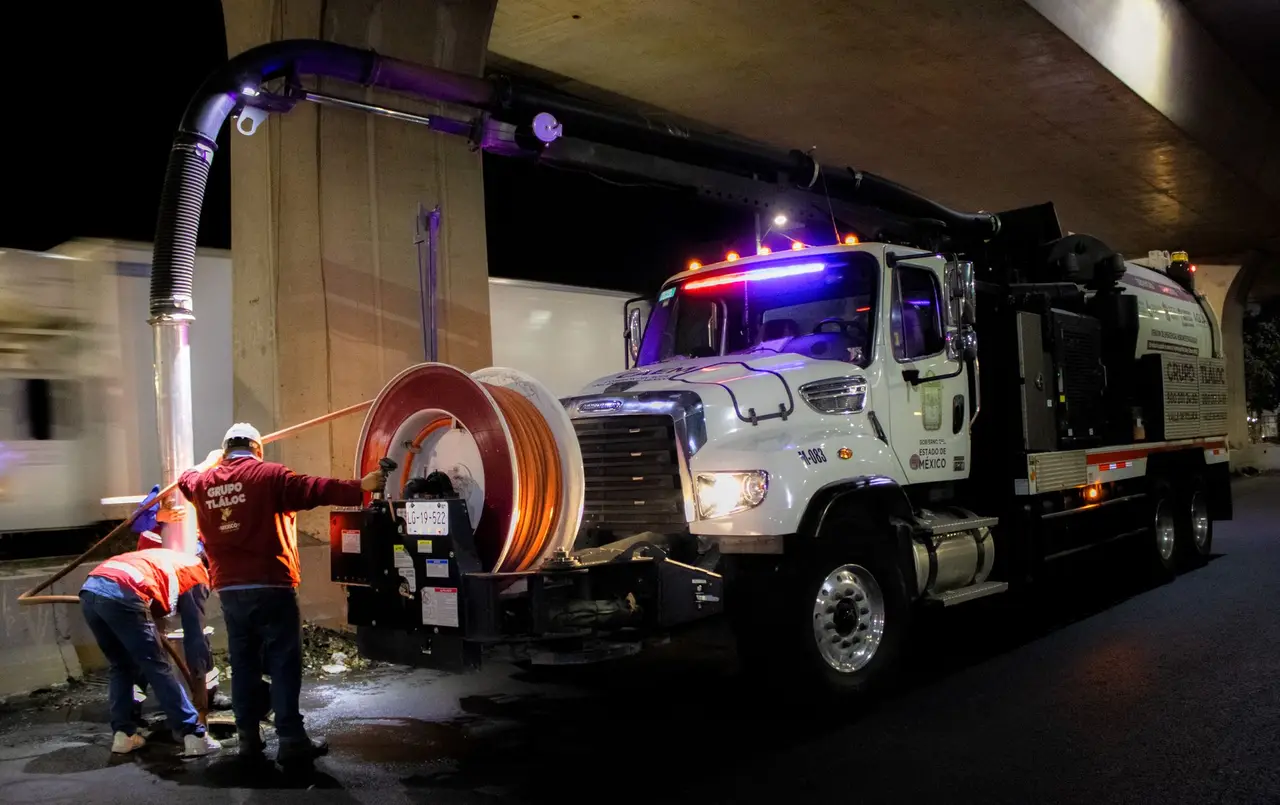
Our technicians work on Venice slabs every week, from 1950s cottages near the Venice Canals to 1990s builds in Venice Gardens. We carry RIDGID and General Pipe Cleaners inspection gear, Fluke meters, and FLIR thermal cameras on every truck. The team holds state-licensed plumbing contractor credentials and works to the Uniform Plumbing Code and Florida Building Code on every repair. We also hold OSHA safety certification for confined and slab work. That mix of tools and code knowledge is why we find leaks other companies miss.

Our water bill doubled in one month and we could not find anything wrong. Venice SlabGuard pressure-tested the line, then used the acoustic microphone and thermal camera to find a pinhole leak under the kitchen tile. They opened about three square feet, fixed the copper, and tested it before they left. Bill is back to normal.
We manage several older rentals near the Venice Canals and slab leaks are a constant. This crew documents everything with pressure readings and thermal images, which our insurance adjuster accepted without argument. They rerouted one line instead of cutting the slab again, and that saved us thousands.
A warm spot on the floor turned out to be a hot water slab leak. They came out the same afternoon, scanned with the infrared camera, and showed me the exact spot before touching a concrete saw. Repair was done in a day and they pressure-tested twice. Clean work, no mess left behind.
We pressurize your plumbing, then listen through the slab with an acoustic microphone and scan with a thermal camera. The microphone hears the hiss of escaping water; the camera shows the temperature streak where it runs. A moisture meter confirms the wet zone. Most scans take two to four hours and narrow the leak to within a few inches.
Yes. Electronic leak detection Venice FL is built for under-slab work. We combine acoustic listening, thermal imaging, and pressure testing to locate copper, PEX, and CPVC line breaks under concrete. Sandy soil and a high water table here make leaks common, and the equipment handles both. We confirm the spot with a moisture meter before any cutting.
Typical 2026 pricing in this area runs $180 to $450 for detection, depending on home size and how many lines we scan. Repairs are quoted separately. If we find nothing, you still get the report and readings. Call (941) 477-1483 for a same-day window.
It is reliable when the technician confirms with more than one tool. We cross-check acoustic readings against thermal images and a pressure test, so a false positive is rare. On the few jobs where the signal is muddy, we add a video pipe inspection camera. That layered approach is why we open small and get it right the first time.
Not seeing your question? Our local team can help you understand urgency, scheduling and what to expect.
Ask the local team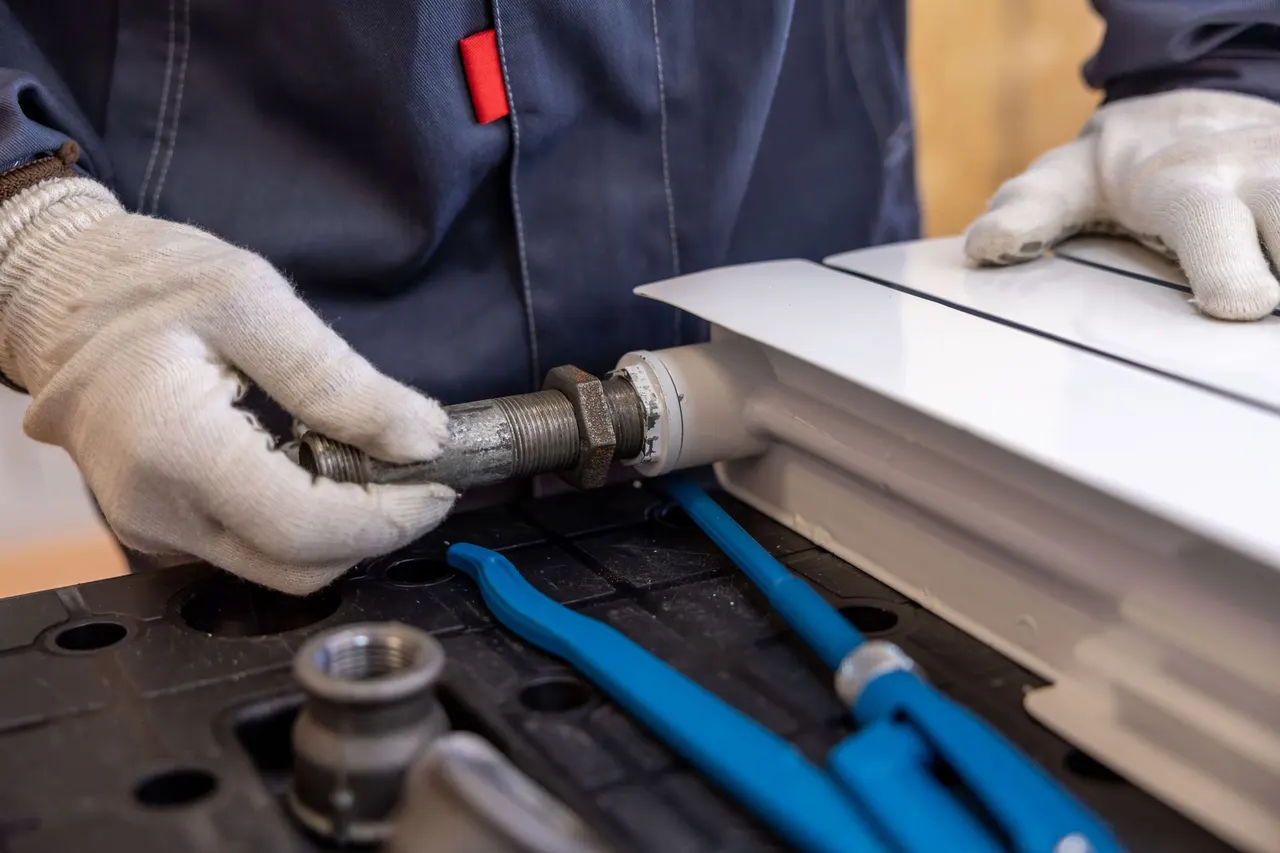
The parent service behind every electronic scan. We combine acoustic, thermal, and pressure testing to find under-slab breaks in Venice homes, then mark the exact spot before any concrete is opened.
View service
When water is actively pooling or your bill has tripled, we run 24/7 emergency calls. Detection comes first, then a same-visit repair whenever the line and parts allow.
View service
Once electronic detection pinpoints the break, we open a small patch, repair the copper, PEX, or CPVC line, and pressure-test it before closing the floor.
View serviceA focused locate-only visit for homeowners and adjusters who need documentation. You get pressure readings, thermal images, and a marked floor plan showing the leak zone.
View service
Reach us at (941) 477-1483 or [email protected] and we will get a tech on your leak. We answer 24/7 for active water loss and schedule standard inspections Monday through Friday, 8:00 a.m. to 6:00 p.m. Same-day appointments are common across Venice and Sarasota County.