Focused arrival windows
Useful updates and clear arrival timing.
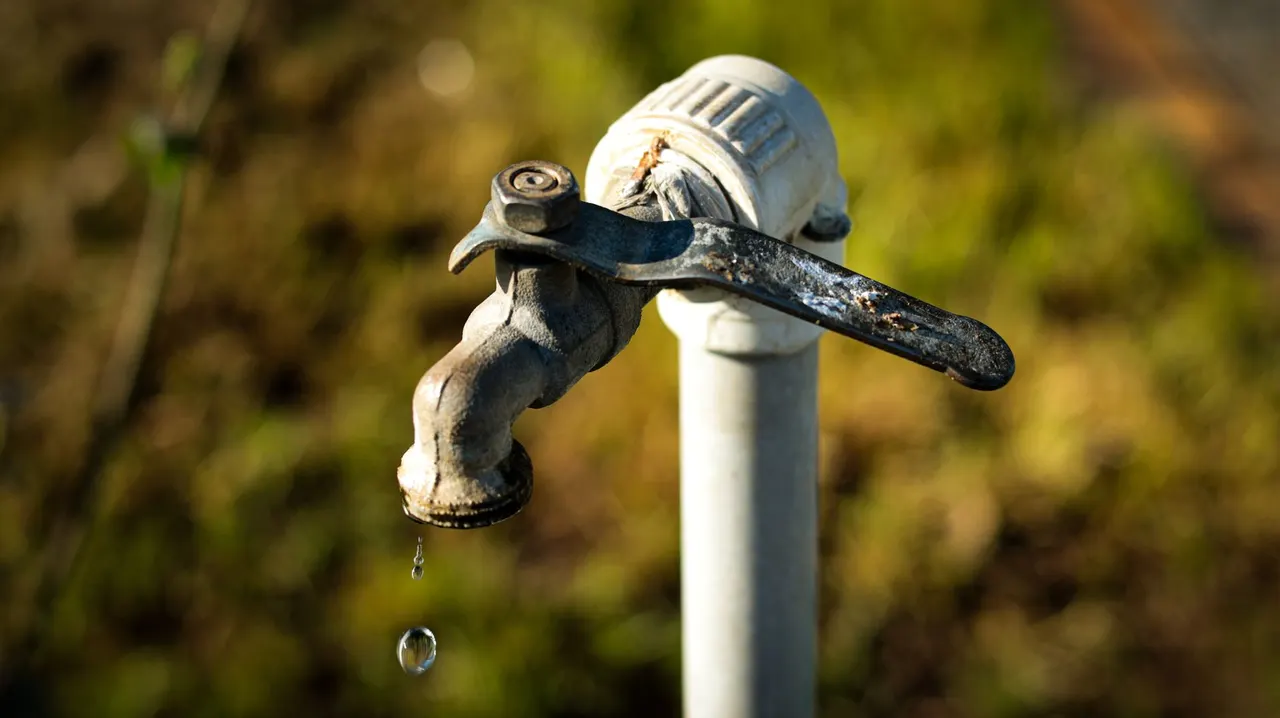
Slab leak pressure testing Venice FL is the fastest way to confirm whether the water pooling on your floor or the spike in your bill is coming from a pipe under the slab. We pressurize the line, watch the gauge, and tell you exactly where the break is before anyone touches a concrete saw. If you live in Venice, FL and suspect an under-slab leak, call (941) 477-1483.
Useful updates and clear arrival timing.
Review the approach and price before deciding.
Equipped vehicles and respectful cleanup.
Neighbors serving neighbors with follow-through.
Every pressure test we run in Venice includes the full diagnostic sequence: isolation, pressurization, acoustic and thermal scanning, and a written report. We do not charge extra for the thermal camera or the second confirmation test. If you approve the repair, we credit the test fee toward the work.
We shut off the main valve, isolate the suspect under-slab line, and bring it up to 80-100 PSI with a calibrated pressure testing gauge. The line holds for 30 minutes if it is sound. We log the starting and ending pressure on your report.
While the line is pressurized, we walk the floor with an acoustic leak detection microphone. It picks up the hiss of escaping water and lets us narrow the leak to a 1-to-2-foot area. This step takes 20 to 30 minutes on a typical Venice home.
A FLIR thermal imaging camera shows temperature differences from warm water under the slab. We scan the suspect area and cross-check the acoustic findings. Warm floor spots show up clearly on the infrared image, which we include in your report.
Within one business day you get a written report with the gauge readings, thermal images, leak location, and repair options. We price spot repair, rerouting, and repiping side by side. You choose the path that fits your budget.
If you approve the repair, we re-pressurize the line after the fix and show you the gauge holding steady. That confirms the leak is sealed before we patch the concrete. Most spot repairs are tested and closed out the same day.
Share what is happening and receive a clear next step from the local team.
Slab leak pressure testing Venice FL is a diagnostic procedure that isolates a section of under-slab piping, fills it with water or air to a set pressure, and watches a calibrated gauge for drop-off. If the needle falls, the line is losing water somewhere below the concrete. We use a pressure testing gauge paired with an acoustic leak detection microphone and a thermal imaging camera to narrow the break down to a square foot or two. Most homes here are built on slab-on-grade foundations, so the supply lines run directly under the living room, kitchen, and hallway floors.
Venice sits in Sarasota County, where sandy soil, a high water table, and decades of copper pipe corrosion create ideal conditions for pinhole pipe leaks. A slab pressure test Venice FL gives you a yes-or-no answer in about two hours, which matters when a warm floor spot or a $300 water bill shows up out of nowhere. We also check for drain clog vs slab leak confusion, because a backed-up drain can mimic the same symptoms. If you need slab leak pressure testing in Venice FL near me, we run the test same-day across 34285, 34292, and 34275.
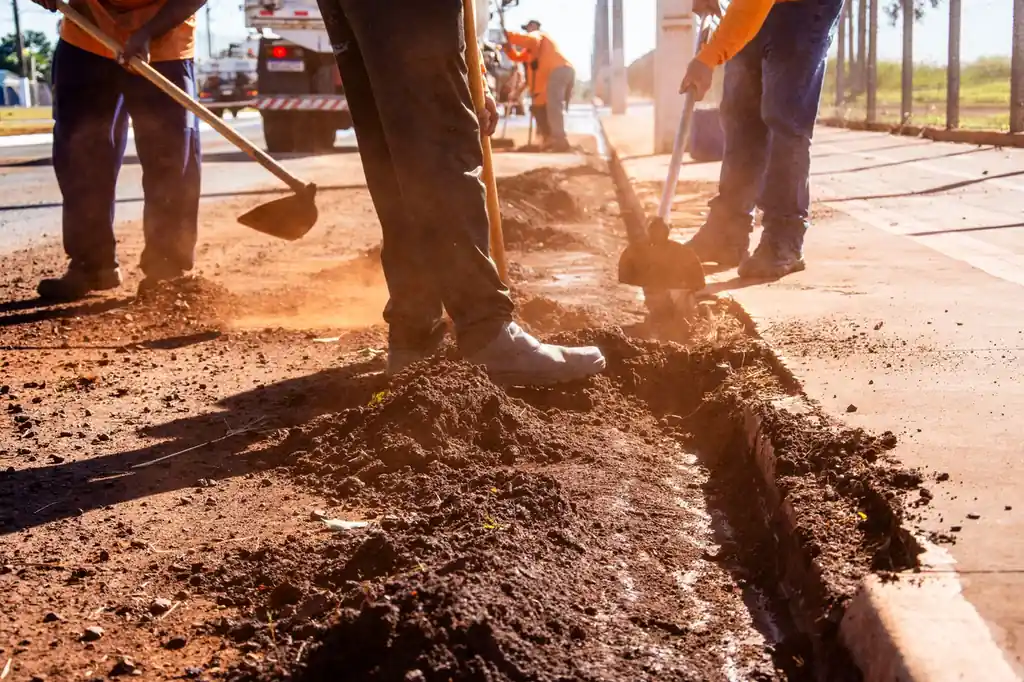
We close the main shut-off valve and isolate the suspect line from the rest of the plumbing system. This takes about 15 minutes. You will see us tag the valve so you know which one controls the under-slab run. If the home has a backflow prevention certification device, we check it at the same time.
We connect a pressure testing gauge to the isolated section and bring it up to 80 to 100 PSI, which is above normal operating pressure. The line holds for 30 minutes if it is sound. A drop of 5 PSI or more means there is a leak somewhere under the slab. We log the starting and ending pressure on your report.
While the line is pressurized, we walk the floor with an acoustic leak detection microphone and a FLIR thermal imaging camera. The microphone picks up the hiss of escaping water; the infrared camera shows temperature differences from warm floor spots. Together they narrow the leak to a 1-to-2-foot area.
We confirm the location with a second pressure test and mark the floor with tape. If the leak is under tile or hardwood, we note the material so the repair crew knows what to remove. You get a photo of the gauge reading and the thermal image before we leave.
Within one business day you receive a written report with the test results, the leak location, and repair options. We price spot repair, under-slab pipe rerouting, and whole-house repiping for slab leaks side by side. No pressure, no upsell. You choose the path that fits your budget.
A calibrated gauge that measures line pressure in PSI. We use it to pressurize the isolated under-slab line and watch for drop-off. A 5 PSI loss over 30 minutes confirms a leak.
Amplifies the sound of water escaping a pressurized pipe. We walk the floor with it during the test to narrow the leak to a 1-to-2-foot area. Works best on copper and PEX lines.
An infrared camera that shows temperature differences from warm water under the slab. We use it to cross-check acoustic findings and to spot warm floor slab leaks that are not yet visible.
A handheld wand that picks up the high-frequency sound of a pinhole pipe leak. We sweep the floor with it while the line is pressurized. It catches small leaks that the microphone might miss.
A camera on a flexible reel that goes into the drain line. We use it to rule out a drain clog vs slab leak before we commit to cutting concrete. It also maps the pipe route for the repair crew.
A transmitter and receiver that trace the path of under-slab pipes. We use it to mark the line on the floor before we cut, so the access patch lands directly over the leak.
Measures moisture content in the slab and flooring. We use it after pressure testing to determine how far water has spread and how much flooring needs to be replaced.
We fill the isolated line with water and bring it to 80-100 PSI, which is above normal operating pressure. The line holds for 30 minutes if it is sound. This is the primary test we run on under-slab supply lines in Venice.
While the line is pressurized, we walk the floor with an acoustic microphone and listen for the hiss of escaping water. We mark each hot spot and compare readings to narrow the leak location. This method works on copper, PEX, and CPVC pipe.
We scan the suspect area with a FLIR camera to detect temperature differences from warm water under the slab. Infrared scanning confirms whether the leak is on the hot or cold side and helps us avoid cutting in the wrong spot.
Every pressure test and repair we perform follows the Uniform Plumbing Code (UPC) and Florida Building Code. We document the test pressure, duration, and results so you have a record for insurance or resale.

We isolate the main line and pressure test it to confirm an underground water leak. If the gauge drops, we locate the break with acoustic and thermal tools. If it holds, we check the irrigation system and fixtures. You know within two hours whether you have a slab leak or a different problem, and you get a repair plan with a flat price.
We pressure test the hot-water line and scan the floor with a FLIR thermal imaging camera. Warm floor slab leak detection usually points to a pinhole failure in copper pipe. We confirm the location and repair the section. The warm spot is gone, the line holds pressure, and you avoid a full repipe if a spot repair is enough.
We run a slab leak moisture inspection with a moisture meter and follow up with pressure testing on the supply lines. This tells you whether the moisture is from an active leak or from irrigation and rain. You get a clear yes-or-no answer before you close, which gives you leverage in the negotiation or confidence to proceed.
We pressure test the entire under-slab system and check for multiple failing sections. If one line is bad, we repair it. If several are corroded, we price whole-house repiping for slab leaks with new PEX pipe. You avoid repeated spot repairs and get a long-term fix that stops the cycle of leak after leak.
Venice sits on sandy soil with a high water table, and most homes are built on slab-on-grade foundations. That combination puts under-slab pipes under constant stress. Copper pipe installed before 1990 corrodes from the inside out, and we see pinhole pipe leaks in neighborhoods like Venice Gardens and East Venice every week. The salt air near Venice Beach accelerates corrosion on exposed fittings. We adjust our pressure testing protocol for these conditions: we test at 80 to 100 PSI, hold for 30 minutes, and always cross-check with acoustic and thermal tools. If you need slab leak pressure testing 24/7 Venice FL, we run emergency tests after hours and on weekends. We also know the local code requirements in Sarasota County, including backflow prevention certification for main lines. Whether you are in a canal-front home on Marina Peninsula or a 1950s bungalow in Downtown Venice, we bring the right gauges and cameras to get a definitive answer.
Many homes here were built in the 1970s with original copper pipe. We see a high rate of pinhole leaks in the under-slab lines. Pressure testing is the first step before any repair.
Historic bungalows near the downtown core often have original plumbing that has been patched over the years. We pressure test each section separately to isolate the failing line.
Newer construction uses PEX pipe, which rarely fails at the pipe body but can leak at fittings. We pressure test the whole system and check each manifold connection.
Canal-front homes sit on soil with a high water table. We test at lower pressure on older lines to avoid stressing corroded pipe, then confirm with acoustic listening.
Sandy soil drains quickly, so a small leak may not show on the surface. Pressure testing is often the only way to confirm an under-slab leak before it undermines the foundation.
Homes within a mile of Venice Beach see faster corrosion on copper pipe and fittings. We recommend pressure testing every two to three years on homes older than 25 years.
Copper pipe thins over time and develops pinhole leaks. Pressure testing catches them early, before the leak saturates the slab and causes foundation movement.
Venice sees mild winters, but occasional cold snaps can stress pipe joints. We run more pressure tests in January and February when temperature changes trigger leaks in older lines.
A homeowner in Venice Gardens had a water bill that jumped from $85 to $240 in one month. Two plumbers suggested cutting concrete without testing. The floor was dry, but the meter kept spinning.
We pressure tested the main line and found a 15 PSI drop in 20 minutes. The acoustic microphone pinpointed a pinhole leak under the kitchen floor. We repaired the copper pipe with a SharkBite coupling and re-tested. The next bill was $78.
Maintenance: We recommended pressure testing the remaining under-slab lines every two years. The home is 45 years old and still has original copper pipe in two sections.
A family in Downtown Venice noticed a warm spot on the hallway floor that grew from 6 inches to 2 feet over three months. One contractor quoted a full repipe at $8,500.
We pressure tested the hot-water line and confirmed a leak. The FLIR camera showed the exact spot. We opened a 2-by-3-foot concrete patch, replaced 18 inches of copper pipe, and re-tested. The line held at 95 PSI. Total cost was $1,450.
Maintenance: We suggested an annual moisture meter check on the slab and a pressure test every three years. The homeowner avoided the repipe and the warm spot is gone.
A property manager in North Venice had a rental unit with water seeping up through the tile. The previous tenant moved out, and the unit needed to be ready in five days. The source was unknown.
We ran a pressure test and found a CPVC pipe fitting leaking under the slab. The video pipe inspection camera confirmed the drain was clear. We repaired the fitting, re-pressurized the line, and patched the concrete. The unit was ready in three days.
Maintenance: We set up a reminder to pressure test the other five units in the building. CPVC pipe becomes brittle over time, and early detection prevents emergency calls.
Pressure testing answers the questions that keep Venice homeowners up at night: Is it a slab leak? Where is it? Do I need a spot repair or a repipe? Here are the problems we solve most often.
An underground water leak can waste 200 to 500 gallons a day. Left alone for a month, that is $150 to $400 down the drain and a foundation sitting in saturated soil. We isolate the main line and pressure test it separately from irrigation and fixtures. A pressure drop confirms the leak. We then locate it with acoustic and thermal tools and repair the pipe before the next billing cycle.
A warm floor spot usually means a hot-water line is leaking under the slab. The heat spreads through the concrete and can warp tile or hardwood if moisture reaches the surface. We pressure test the hot-water side and scan with a FLIR infrared camera. Most warm-floor leaks in Venice are pinhole failures in copper pipe. We repair the section and re-test the line before closing the floor.
Standing water can come from a slab leak or a backed-up drain. Misdiagnosing it wastes money on the wrong repair and lets the real leak keep running. We pressure test the supply lines and run a video pipe inspection camera down the drain to rule out a clog. If the pressure holds and the drain is clear, we look at the fixtures. If the gauge drops, we know it is an under-slab pipe leak.
Cutting concrete to find a leak is destructive and expensive. Without pressure testing, you can end up with a 10-foot trench and no guarantee the leak is even in that spot. We run a non-invasive slab leak detection sequence first: acoustic listening, infrared scanning, and pressure testing. Only when the evidence points to a specific spot do we bring in the concrete saw. Most repairs need a 2-by-3-foot access patch.
$185 - $450 depending on scope
Typical 2026 pricing for slab leak pressure testing in Venice runs $185 to $450. A single-line pressure test starts at $185. A full diagnostic with acoustic listening, thermal imaging, and a written report runs $350 to $450. If you approve the repair, we credit the test fee toward the work. The price depends on how many lines we test, whether the leak is on the hot or cold side, and how accessible the shut-off valves are. We quote a flat rate before we start, so you know the number before we connect the gauge.
Pressure testing costs a fraction of exploratory concrete demolition. Cutting concrete without testing can run $1,500 to $3,000 and still miss the leak. Our test gives you a definitive answer and a precise location for a flat fee.
A single-line test is the base price. If we need to isolate and test both hot and cold lines separately, the cost increases by $80 to $120. Most slab leaks are on one side, but we confirm both to be sure.
If the main shut-off or line isolation valves are buried or corroded, we may need to free them up or install a temporary valve. That adds $50 to $150 depending on the work required.
Thermal imaging is included in our full diagnostic package. If you only want a pressure test without the camera, the price drops by $75. We recommend the full package because it narrows the leak location faster.
We run 24/7 emergency pressure tests. After-hours calls between 10 p.m. and 6 a.m. carry a $95 dispatch fee. Same-day weekday calls during business hours do not have this fee.
If you approve the repair, we credit the full test fee toward the work. That means the pressure test effectively costs you nothing when we do the repair on the same visit.
Our technicians hold Florida licensed plumber credentials and carry IAPMO certification for pipe testing. We work to the Uniform Plumbing Code (UPC) and Florida Building Code on every job. The team trains on RIDGID and Milwaukee press tools, Fluke pressure gauges, and Sewerin acoustic equipment. We have run pressure tests on slab-on-grade homes across Sarasota County, from 1950s bungalows in Downtown Venice to new construction in North Venice. Every test follows the same protocol, whether it is a 900-square-foot cottage or a 4,000-square-foot commercial building.
Our water bill doubled in one month and we had no idea why. Venice SlabGuard came out the same day and ran a pressure test on the main line. The gauge dropped 12 PSI in 20 minutes. They found the leak under the kitchen floor with the acoustic microphone and repaired it the next morning. Bill is back to normal.
We had a warm spot on the hallway floor for weeks. Two other plumbers wanted to cut concrete without testing. Venice SlabGuard pressurized the hot-water line first and confirmed the leak before touching the floor. They opened a 2-by-3 patch, fixed the copper pipe, and re-tested. No guesswork, no mess.
I manage six rental units and one had water seeping up through the tile. Venice SlabGuard pressure tested the line and found a pinhole leak in the CPVC pipe. They repaired it and showed me the post-repair gauge reading before they left. I now use them for every slab leak call in Sarasota County.
We isolate the suspect under-slab line, fill it with water or air to 80-100 PSI, and watch a calibrated gauge for 30 minutes. A pressure drop of 5 PSI or more confirms a leak. We then use an acoustic microphone and thermal camera to pinpoint the spot. The whole test takes 90 to 120 minutes and does not require cutting concrete.
Typical 2026 pricing in Venice runs $185 to $450 depending on how many lines we test and whether thermal imaging is included. A single-line pressure test starts at $185. A full diagnostic with acoustic and infrared scanning runs $350 to $450. If you approve the repair, we credit the test fee toward the work.
Yes. Pressure testing is the most reliable way to confirm an under-slab leak. It catches pinhole pipe leaks, fitting failures, and joint separations that visual inspection misses. We combine it with acoustic listening and thermal imaging to locate the break within 1 to 2 feet. No other method gives you a yes-or-no answer this fast.
Venice SlabGuard runs pressure tests daily across Sarasota County. We are a state-licensed plumbing contractor with IAPMO certification and carry RIDGID, Fluke, and Sewerin test equipment on every truck. Call (941) 477-1483 for same-day service in 34285, 34292, or 34275. We also cover emergency calls 24/7.
Not seeing your question? Our local team can help you understand urgency, scheduling and what to expect.
Ask the local team
Pressure testing is the confirmation step; detection is how we find the leak. We use acoustic microphones and thermal cameras to narrow the location before we pressurize the line. Most Venice homeowners book both together.
View service
When pressure testing confirms an active leak and water is rising, we move straight to repair. Our emergency crew carries pipe clamps, SharkBite fittings, and epoxy pipe lining to stop the leak the same day.
View service
Once the pressure test pinpoints the break, we open a small access patch and repair the under-slab pipe. We work with copper, PEX, and CPVC lines and re-test after the repair to confirm the fix.
View service
Location services pair with pressure testing to mark the exact spot on your floor. We use a pipe locator and video pipe inspection camera to map the line before we cut, saving you unnecessary demolition.
View serviceReach us at (941) 477-1483 or [email protected] and we will get a tech on your leak. We answer 24/7 for active water loss and schedule standard inspections Monday through Friday, 8:00 a.m. to 6:00 p.m. Same-day appointments are common across Venice and Sarasota County.