Focused arrival windows
Useful updates and clear arrival timing.
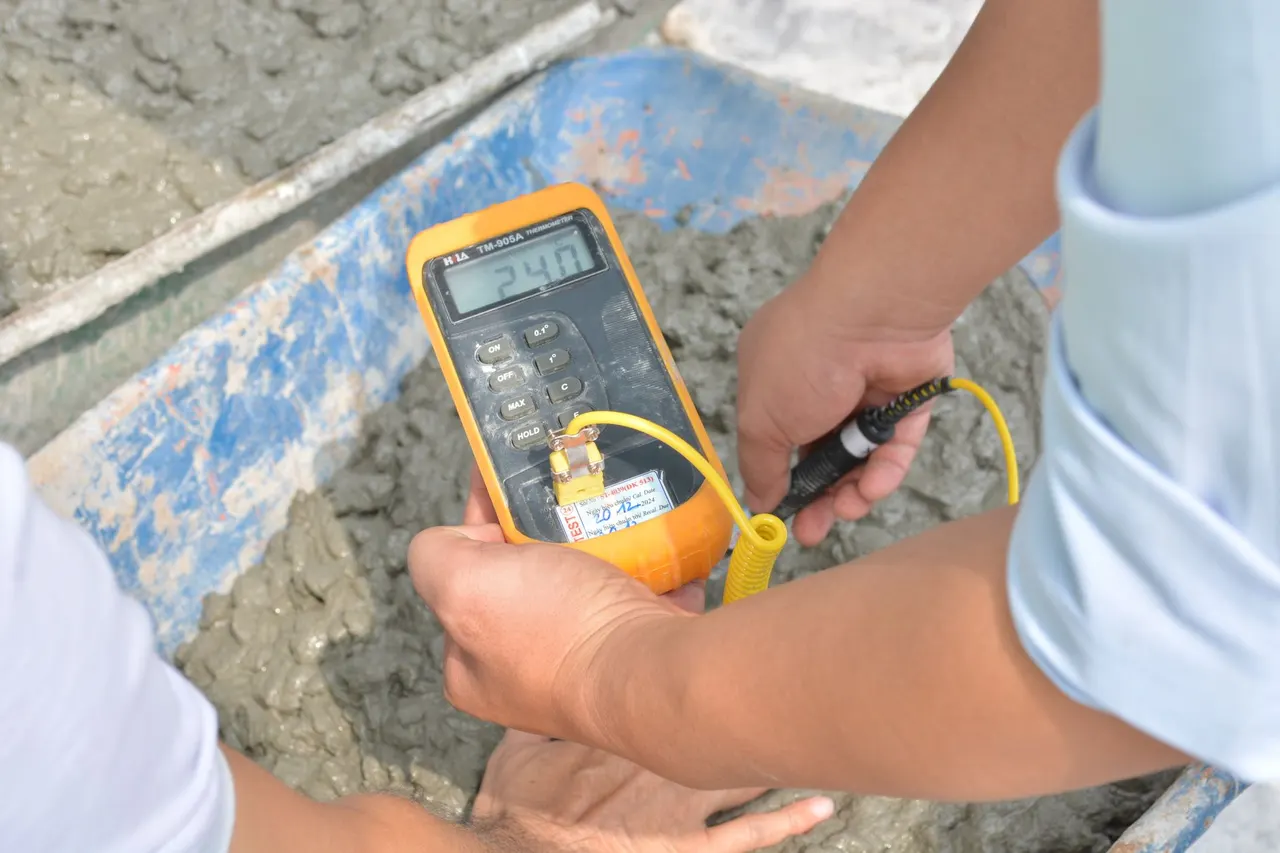
When water starts creeping up through your floor or the meter spins with every tap off, you need concrete slab pipe repair Venice FL homeowners actually trust. We locate the break with acoustic and thermal gear, open only what we have to, then fix and pressure-test the line before we leave. Serving Venice, Florida and all of Sarasota County, 24/7.
Useful updates and clear arrival timing.
Review the approach and price before deciding.
Equipped vehicles and respectful cleanup.
Neighbors serving neighbors with follow-through.
Every job starts with detection and ends with a pressure test and a patched floor. Here is what is covered in a standard repair, and what we handle as an add-on when the situation calls for it.
We run acoustic and thermal detection to find the break, then mark the exact spot on your floor. This is included in every job and is what keeps the cut small.
We cut a controlled opening with a concrete saw, remove the wet material, and expose the failed pipe. Most openings are under 4 square feet, so the patch is small and the dust is contained.
We repair the failed section or replace it with copper, PEX, or CPVC to match your existing system. Fittings from SharkBite, NIBCO, and Mueller are used where they meet code.
Before anything goes back, we cap and pressurize the line with a pressure testing gauge. The reading has to hold for the full test window. If it drops, we keep working until it does not.
We backfill, pour a concrete patch, and leave the area clean. You get photos of the repair and the test reading, plus a written warranty on parts and labor.
If the line is too far gone for a spot repair, we can reroute it through the attic or walls or repipe the whole house. We will walk you through the options and the price difference before we start.
Share what is happening and receive a clear next step from the local team.
Concrete slab pipe repair Venice FL is the process of locating a failed water or drain line beneath a poured floor, opening the slab, replacing or lining the damaged section, and restoring the concrete so the floor is flat and dry again. Most Venice homes sit on monolithic slabs with copper or CPVC supply lines running underneath, so a pinhole leak can soak the soil for weeks before you ever see a wet spot.
We start with non-invasive detection, not a jackhammer. An acoustic leak detection microphone and a thermal imaging camera narrow the break to within a few inches, which keeps the cut small and the repair fast. If you have been searching for concrete slab pipe repair in Venice FL near me, that is exactly what we do, seven days a week.

We ask three questions: where is the water showing up, has the meter been spinning, and is the floor warm anywhere. That tells us whether you have a supply-side slab leak or a drain issue. Takes five minutes and saves an hour of guessing on site.
On site, we run an acoustic leak detection microphone along the floor and confirm with a thermal imaging camera. A pipe locator maps the line so we know exactly what we are cutting into. Most locations take 45 to 90 minutes.
We cut a small opening with a concrete saw, remove the wet material, and expose the failed section. Then we repair or replace the pipe with copper, PEX, or CPVC to match the existing system. This stage usually runs two to four hours.
Before anything goes back, we cap the line and pressurize it with a pressure testing gauge. The reading has to hold steady for the full test window. If it drops, we find the second leak now, not after the concrete is poured.
We backfill, pour a concrete patch, and leave the area clean. You get photos of the repair and the test reading, plus a written warranty on the work. Most jobs are done in one day.
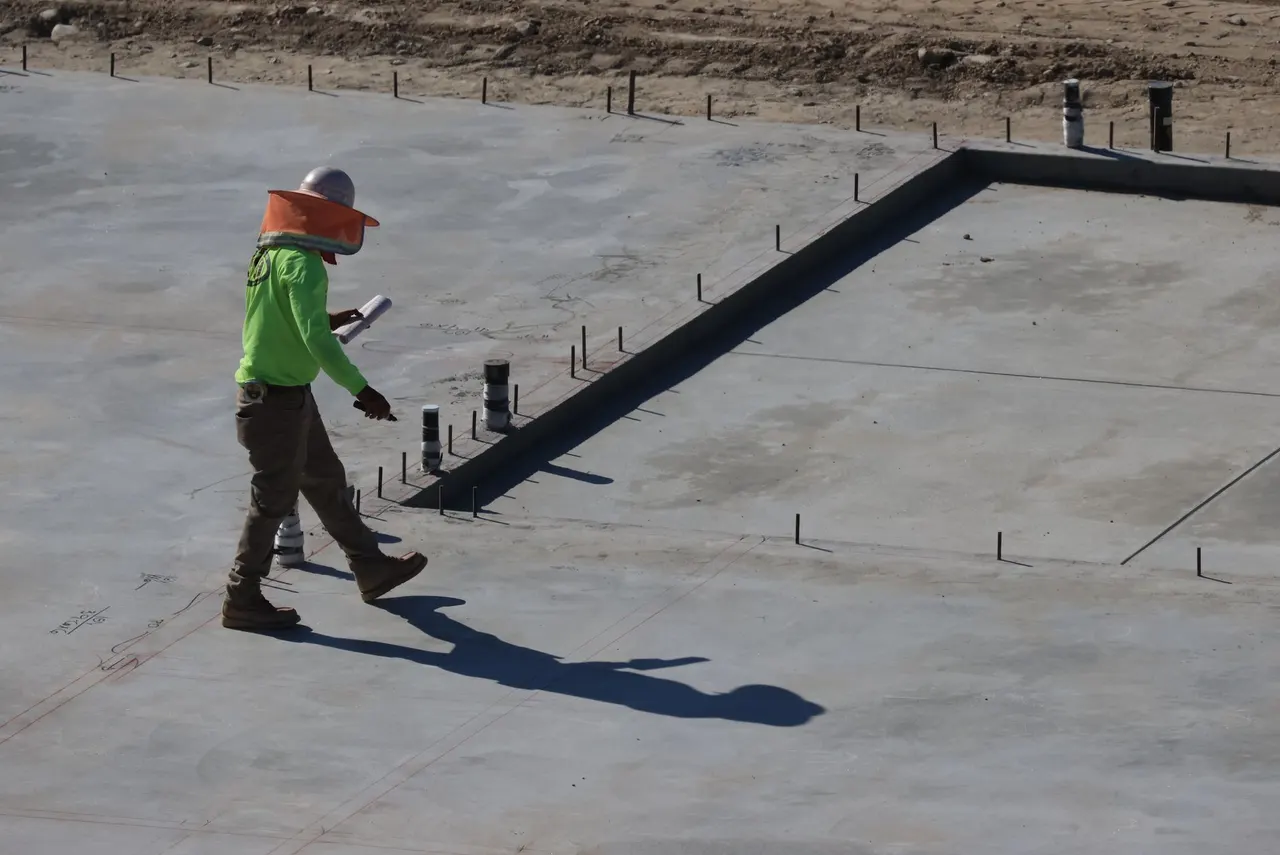
Picks up the sound of pressurized water escaping a pinhole pipe leak under the slab. It is our first pass on almost every supply-side leak.
Shows warm floor spots where hot water is leaking under the concrete. We use it to confirm the acoustic reading and narrow the location to inches.
Maps the path of the under-slab line so we know exactly what we are cutting into and can plan the smallest possible opening.
Caps and pressurizes the repaired line to prove it holds. No concrete goes back until the gauge holds steady for the full test window.
Runs the drain lines to rule out a drain clog vs slab leak before we commit to opening the floor. Saves you money when the problem is elsewhere.
Cuts a controlled opening in the slab and removes the material. We keep the cut tight, usually under 4 square feet, so the patch is small.
Reads how far water has spread under the slab and whether the soil is still saturated, which tells us how much material needs to come out.
We never cut until we know where the leak is. Acoustic, thermal, and electronic detection narrow the break to within a few inches, which is why our average slab opening is under 4 square feet.
Every repair is capped and pressurized with a pressure testing gauge before the concrete goes back. If the reading drops, we find the second leak now, not after the floor is poured.
All work meets the Uniform Plumbing Code and Florida Building Code. We match copper, PEX, or CPVC to your existing system and use fittings from SharkBite, NIBCO, and Mueller where they belong.
For the right pipe and the right leak, trenchless pipe lining equipment lets us seal the line from the inside with an epoxy pipe lining. No trench, no jackhammer, and a much faster recovery.
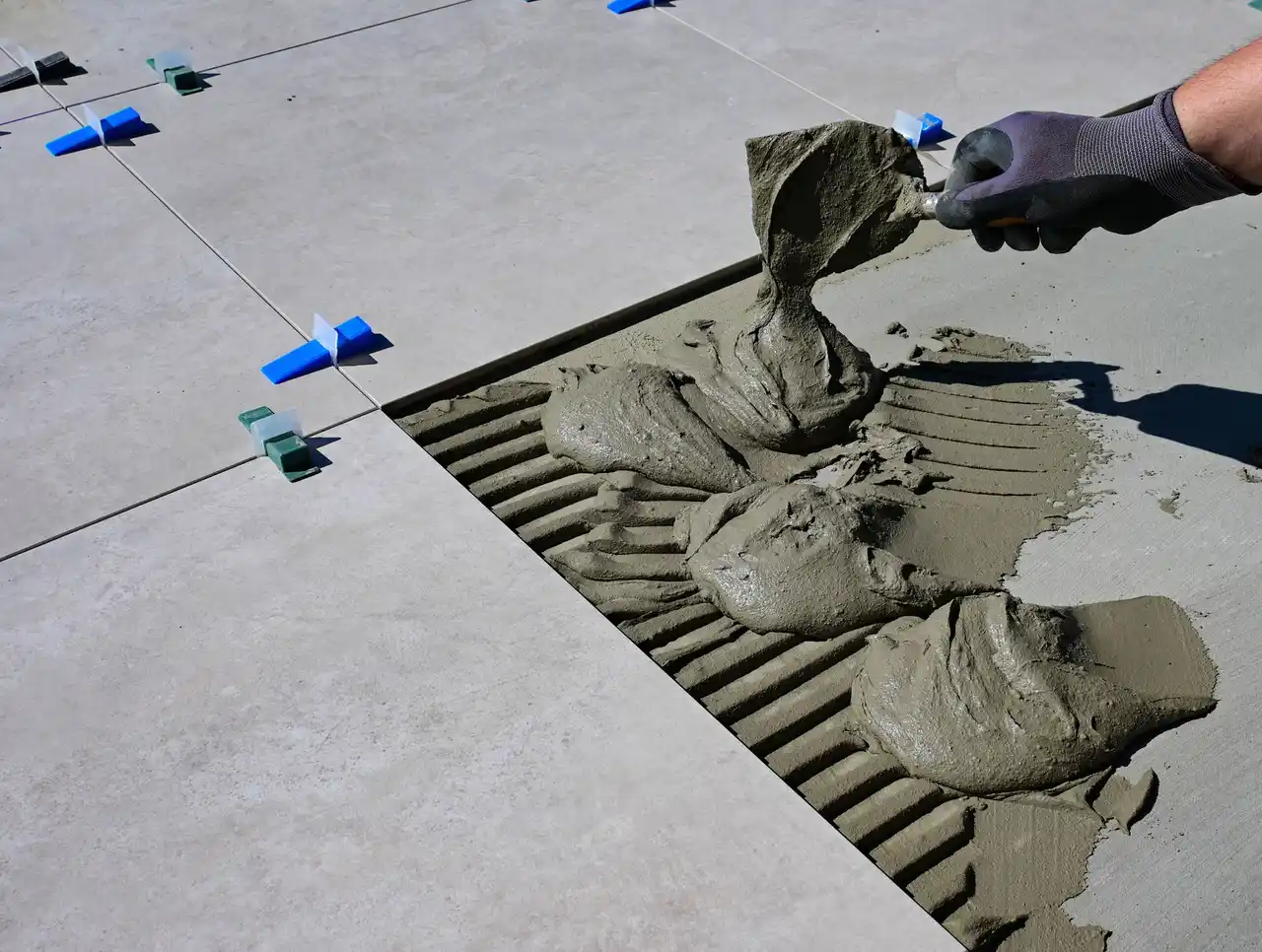
We locate the hot-water leak with thermal imaging, cut a small opening, and replace the failed copper section with new copper or a PEX transition. Pressure test, patch, done in a day. The warm spot is gone, the meter stops spinning, and the floor is flat and dry again with a small patch you can tile over.
We pressure-test the main line, find the break under the driveway edge with acoustic gear, and repair the underground water leak without tearing up the whole yard. The bill drops back to normal, the soil stops soaking, and the driveway is patched and usable the same week.
We run same-day detection, confirm the break, and complete a spot repair with a pressure test in under eight hours. The tenant stays in the unit the whole time. Water is back on the same day, the repair is warrantied, and the property manager has photos and test readings for the file.
We locate the fitting with electronic detection, open a small section, replace the failed crimp ring and fitting, and pressure-test the run before patching. The leak is fixed at the source, the line holds pressure, and the repair is covered under our written warranty.
Venice sits in Sarasota County, and the building stock here splits into two clear groups: 1950s to 1970s homes with copper under the slab, and newer builds with CPVC or PEX. Copper in the older homes is prone to pinhole pipe leak failures because our soil and water chemistry eat at the pipe walls over decades. Newer PEX and CPVC systems tend to fail at fittings and crimp rings instead. We also deal with the summer rainy season from June through September, when the water table rises and any existing under-slab leak gets worse fast. If you are searching for how to repair a pipe under concrete slab in Venice, the answer starts with detection, not a jackhammer. We run acoustic and thermal gear first, then open only what we have to. Winter is our busiest season for slab leaks because snowbirds return and find a problem that has been quietly growing all summer.
Historic homes with original copper lines and terrazzo floors. We keep cuts small and patch to match the existing floor finish.
1950s and 1960s ranch houses with copper under the slab. Pinhole leaks are common here, and we know where the lines typically run.
Newer construction with PEX and CPVC. Leaks usually show up at fittings, so we pressure-test the whole run after the repair.
Canal-front properties where the water table is high. Under-slab leaks here can surface faster and need prompt attention.
Mix of older and newer homes near the water. We adjust detection methods based on whether the line is copper or PEX.
When the water table rises, an existing under-slab leak has nowhere to drain and shows up as water pooling on the floor. We locate and repair it before it undermines the slab.
Copper under a slab in a 1960s Venice home is often near the end of its life. We repair the failed section, but we also tell you honestly if a repipe makes more sense long term.
Saturated soil puts pressure on the slab and makes existing leaks worse. If you notice a warm spot or a spinning meter during the rainy season, call us early.
Homes that sit empty for months can develop slab leaks that go unnoticed. We get calls in the fall when owners return and find the damage.
A 1965 ranch house had a water bill that jumped from $60 to $180 a month. The floor near the hallway was warm to the touch, and the meter spun with every fixture off. The homeowner had been told the whole slab might need to come up.
We located the pinhole leak with acoustic gear, cut a 2 by 2 foot opening, and replaced the failed copper section with new copper. Pressure test held at 80 psi for 30 minutes. The patch was poured and the floor was dry the same day.
Maintenance: Keep an eye on the water bill for the next few months. If it creeps up again, call us for a quick pressure test before the damage spreads.
A rental unit had a warm spot in the bathroom floor and a tenant complaining about a musty smell. The property manager needed the unit back online fast and did not want to relocate the tenant.
We confirmed the hot-water leak with a FLIR camera, opened a small section, and replaced the failed CPVC joint. The repair was pressure-tested and patched in under eight hours. The tenant stayed in the unit the whole time.
Maintenance: We recommend a pressure test once a year on older rental properties. It catches small leaks before they become tenant complaints.
A 2018 build had water pooling near the laundry room. The homeowner suspected a drain clog, but a video inspection showed the drain was clear. The meter was still spinning, which pointed to a supply-side leak.
We located the failed PEX fitting with electronic detection, replaced the crimp ring and fitting, and pressure-tested the run. The leak stopped, the floor dried out, and the repair was covered under our written warranty.
Maintenance: PEX fittings can fail over time. If you notice water pooling again, call us for a pressure test before assuming it is a drain issue.
Under-slab leaks show up in a few predictable ways. Here is what we see most often in Venice homes and how we handle each one.
A pinhole leak under the slab can waste thousands of gallons a month and quietly soak the soil under your foundation, which leads to cracks and settling if you ignore it. We pressure-test the line, locate the break with acoustic gear, and repair the failed section. Most high-bill leaks are supply-side and can be fixed in a single visit with a small slab opening.
Warm floor spots mean hot water is escaping under the slab. Left alone, that water erodes the soil, undermines the concrete, and can lead to a foundation water leak that costs far more to fix. We confirm the leak with a FLIR thermal imaging camera, expose the hot-water line, and repair or replace the failed section. Pressure test before the patch, every time.
Pooling water can be a slab leak or a drain clog, and the two need completely different fixes. Guessing wrong wastes money and can make the damage worse. We run a video pipe inspection camera to rule out a drain clog, then use acoustic and electronic detection to find the actual break. You get a straight answer and the right repair.
That hiss is pressurized water escaping under your floor. It will not stop on its own, and every day it runs, the repair gets bigger and the bill gets higher. We locate the leak, shut down the affected line, and repair it. If it is an emergency, we run 24/7 calls across Venice and can be on site the same night to stop the water.
$1,200 - $12,000 depending on scope
Typical 2026 pricing for a spot repair in Venice runs $1,200 to $3,500, and a full under-slab repipe runs $4,500 to $12,000. The price depends on how deep the line is, what material it is, and how much concrete we have to open. We give you a flat price before we cut, and that price covers detection, repair, pressure testing, and the concrete patch. No hourly surprises.
A slab leak gets more expensive every week you wait. Water damages the foundation, drives up the bill, and can force a full repipe later. Fixing it now with a small, tested repair is the cheapest path.
Lines buried deeper under the slab take longer to expose and require more backfill and concrete to restore. A line 12 inches down is a much bigger job than one 4 inches down.
Copper repairs cost more in materials than PEX or CPVC. If we need to transition between materials, that adds fittings and labor. We match what is already in your slab whenever possible.
One leak is a spot repair. Two or more in the same run often means the pipe is failing everywhere, and a repipe is the smarter call. We pressure-test to find out before we quote.
Tile, terrazzo, and hardwood all come up differently. Terrazzo in older Venice homes takes more care to cut and patch cleanly, which adds time to the job.
A leak under a hallway is easier to reach than one under a kitchen island or a built-in cabinet. Tight access means more time and more careful cutting.
After-hours and weekend calls carry a higher rate than weekday work. If it is active flooding, the emergency rate is worth it to stop the damage fast.
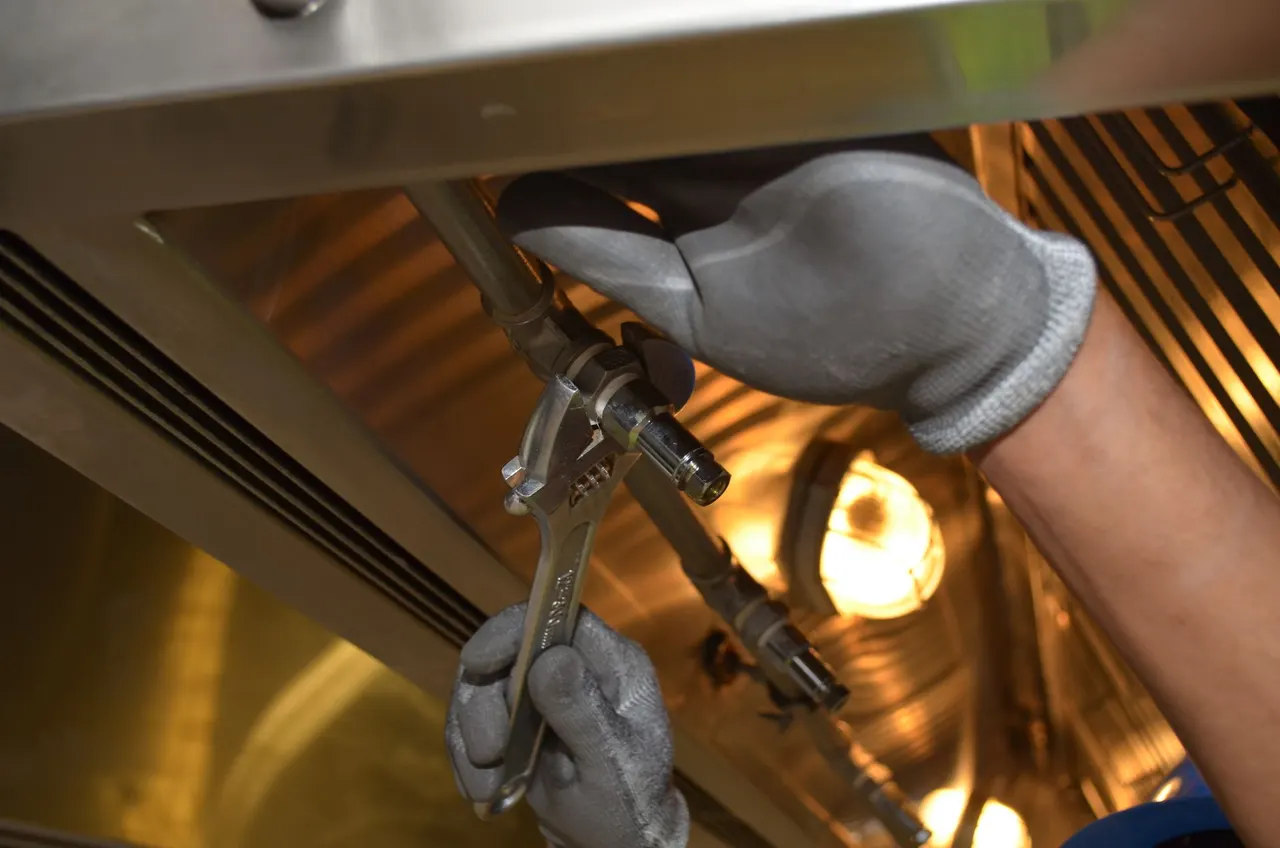
Our technicians hold Florida licensed plumber credentials and carry IAPMO certification, with OSHA safety certification for every job site. We have worked slab leaks in Venice's older copper systems, in 1990s CPVC builds, and in newer PEX homes, and we know how each one fails differently. That local experience matters when a leak is under a terrazzo floor in a 1960s Venice Gardens ranch house versus a tile floor in a newer build near Venice Beach.
Our water bill doubled and we could not figure out why. Venice SlabGuard found the leak under the kitchen floor with their acoustic gear in about an hour. They cut a small square, replaced the copper section, pressure-tested it, and patched the floor the same day. No mess left behind. Worth every penny.
Warm spot on the floor near the hallway turned out to be a hot-water slab leak. They showed up at 9 p.m. on a Friday, shut the line down, and came back Saturday morning to do the repair. Photos of everything, pressure test held, and the price was exactly what they quoted. Solid crew.
We manage several rentals near the beach and have used Venice SlabGuard on two slab leaks this year. Both times they located the break without tearing up the whole floor and had the unit back online in a day. Tenants never had to move out. That is why we keep calling them.
Most spot repairs run $1,200 to $3,500 in 2026, including detection, the cut, the pipe repair, pressure testing, and the concrete patch. A full under-slab repipe can run $4,500 to $12,000 depending on how much line is replaced. We give you a flat price before we cut, so there are no surprises.
Sometimes, yes. If the leak is in a straight run and the pipe is PEX or copper in good condition, trenchless pipe lining equipment can seal it from the inside with an epoxy pipe lining. That avoids most of the concrete work. If the pipe is collapsed or badly corroded, we still have to open the slab, but we keep the cut as small as possible.
You need a Florida licensed plumber who carries slab leak detection gear, not a general handyman. We are licensed, insured, and bonded, and we handle everything from detection through the concrete patch. Call (941) 477-1483 and we will tell you what we are seeing and what it will take to fix it.
A single spot repair usually takes four to eight hours from arrival to final patch, so most jobs are done in one day. If we find multiple leaks or need to reroute a longer section, plan on two to three days. We pressure-test before we pour, so you are never left wondering if it held.
Not seeing your question? Our local team can help you understand urgency, scheduling and what to expect.
Ask the local team
Before any concrete slab pipe repair Venice FL job, we locate the leak with acoustic and thermal equipment. Detection first means a smaller cut, a faster repair, and a lower bill for you.
View serviceActive flooding under your floor is a now problem. We run 24/7 emergency calls across Venice and can shut down the line, stop the water, and schedule the permanent repair the same night.
View service
Supply-line leaks under a poured floor are our bread and butter. We expose the line, repair or replace the failed section, and pressure-test it before the concrete goes back.
View service
We narrow the break to within a few inches using a pipe locator and electronic leak detection wand. That precision is what keeps your repair small and your floor intact.
View service
Reach us at (941) 477-1483 or [email protected] and we will get a tech on your leak. We answer 24/7 for active water loss and schedule standard inspections Monday through Friday, 8:00 a.m. to 6:00 p.m. Same-day appointments are common across Venice and Sarasota County.